
Troy and Deb's Soil Health Journey
Building Soil Biology and Improving Pasture PerformanceThora, NSW, Australia
When a soil biology test revealed virtually no biological activity despite years of compost applications, this Northern NSW beef cattle farm began a journey to rebuild soil health from the ground up. In this beef farm case study Troy and Deb share how through regenerative management, biological inputs and rotational grazing, the farm improved pasture performance, livestock health and biological activity while creating a more resilient farming system.
Case Study At A Glance
| CATEGORY | OUTCOME |
|---|---|
| Farm Type | Cattle |
| Location | Bellingen, New South Wales, Australia |
| Documented Period | 2023 - 2026 |
| Case Study Duration | 2-3 years |
| Primary Focus | Soil and livestock health |
| Management Changes | Since 2023 - Rotational grazing, planting mixed-species, biological seed coating, regenerative management |
| Inputs Used | liquid soil activator, liquid fish hydrolysate, seaweed biofertiliser, chelated silicon, chelated boron |
| Equipment Used | Silvan 300L Lightfoot Trailed Sprayer with Reel and 4m Folding Boom (Filter and Nozzle Removed) |
| Soil Health | Increased earthworm activity, improved soil biology and soil structure |
| Crop Health | Stronger pasture growth, improved germination and reduced weed pressure |
| Livestock Health | Shiny coats, healthy manure, improved herd and grazing performance Cattle fed biochar mineral mix |
| Input Costs | No reliance on synthetic fertilisers |
| Productivity | Overall improved pasture performance with less weeds, particularly Giant Paramatta grass |
| Overall Outcome | Increased biological activity and pasture productivity across the farming system. |
| Key Insight | Feeding soil biology delivered compounding improvements across pasture health, livestock performance and soil function. |
“We’re feeding the biology, and the biology is feeding the plant.”
Case Study Overview
After discovering extremely low soil biological activity despite applying more than 600 tonnes of compost, Troy and Deb shifted their focus toward actively feeding soil microbes.
Through the use of fish hydrolysate, seaweed biofertiliser, biological inputs, biodynamics, and improved grazing management, they observed increased pasture growth, stronger livestock performance, healthy earthworm populations and a significant reduction in weed pressure. Over time, these changes reinforced the value of building soil biology as the foundation of a productive and resilient farming system.
Key Outcomes
- Improved soil biology
- Increased earthworm and dung beetle activity
- Higher pasture productivity
- Improved pasture recovery
- Reduced weed pressure
- Better livestock health
- Stronger pasture establishment
- Increased system resilience
- Enhanced grazing performance
About The Farm
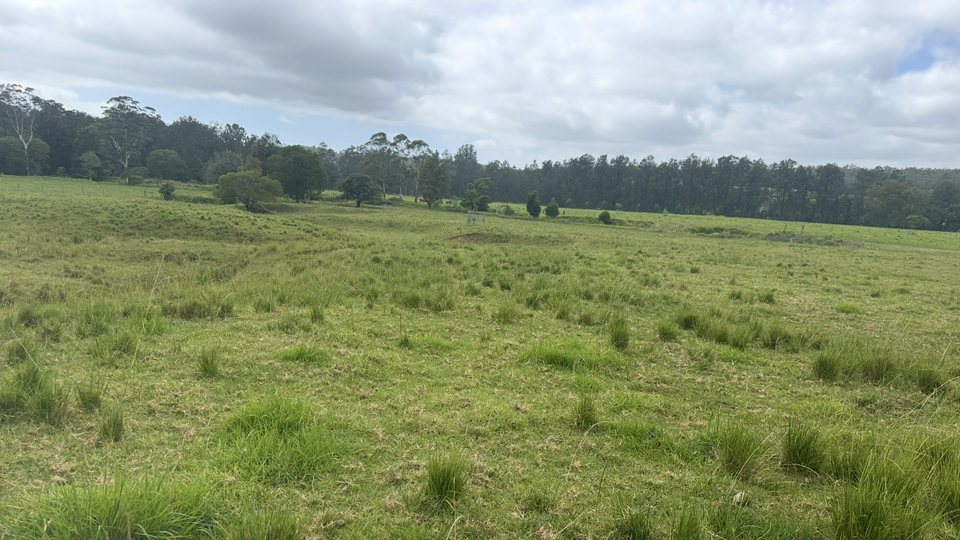
Located on a 50-acre riverfront alluvial property near Bellingen in northern New South Wales, Troy and Deb purchased the farm approximately seven years ago with the intention of creating a productive retirement enterprise. The farm runs approximately 50 head of cattle under a rotational grazing system across six paddocks.
The property initially faced significant challenges including extensive Parramatta grass infestations, lantana along fence lines and poor soil biological activity. Since 2024, the farm has adopted a regenerative management approach focused on rebuilding soil biology, improving pasture performance and supporting livestock health through biological farming practices.
The Challenge
Despite applying approximately 600 tonnes of high-quality compost, soil testing in 2024 revealed extremely low biological activity, highlighted the need to focus not only on adding organic matter but also on actively feeding and supporting soil biology.
The farm faced several challenges:
- Limited soil biology
- Weed pressure from Parramatta grass and other species
- Poor pasture diversity
- Need for improved long-term pasture productivity
The Approach
Beginning in 2024, Troy and Deb implemented a regenerative farming program focused on biological inputs and improved grazing management.
Key practices included:
- Fish hydrolysate soil drench applications
- Seaweed biofertiliser soil drench applications
- Biodynamic liquid soil activator
- Chelated silicon and boron – Silical B from Nutri-Tech Solutions
- Biological seed inoculants
- Rotational grazing
- Multi-species pasture systems
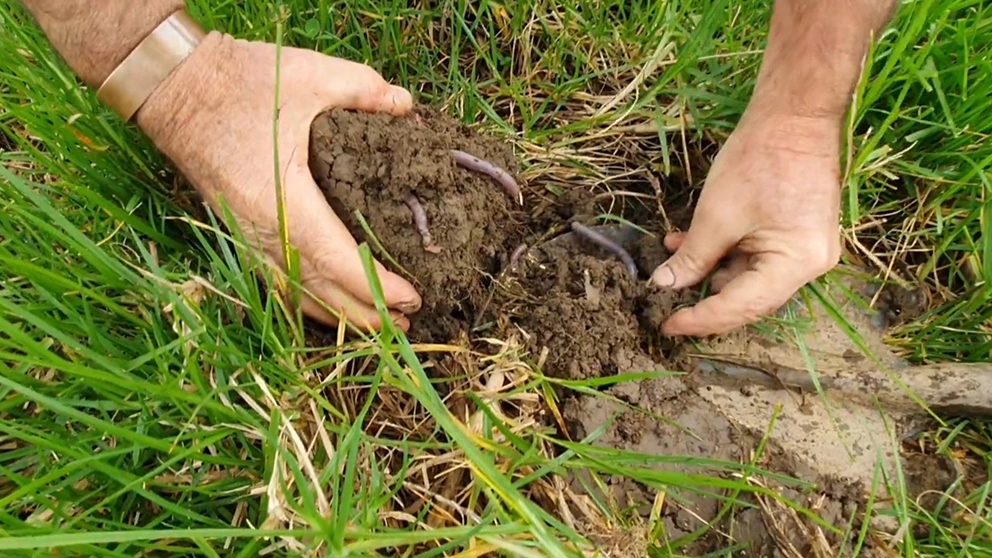
Photo (above) taken June, 2026 at Troy and Deb’s farm, northern NSW.
Soil Health Results
One of the most significant outcomes after changing management practices in 2023, has been the improvement in soil biology and soil structure.
Observable soil improvements include:
- Abundant earthworm populations
- Improved soil aggregation
- More crumbly soil structure
- Greater biological activity
- Increased dung beetle activity
- Improved nutrient cycling
- Better biological diversity
- Enhanced soil resilience
Field observations showed abundant earthworms and visibly healthier soil structure compared to previous years. The farm’s focus shifted from feeding plants directly to feeding the soil biology that performs nutrient cycling and supports long-term plant health.
Pasture and Forage Results
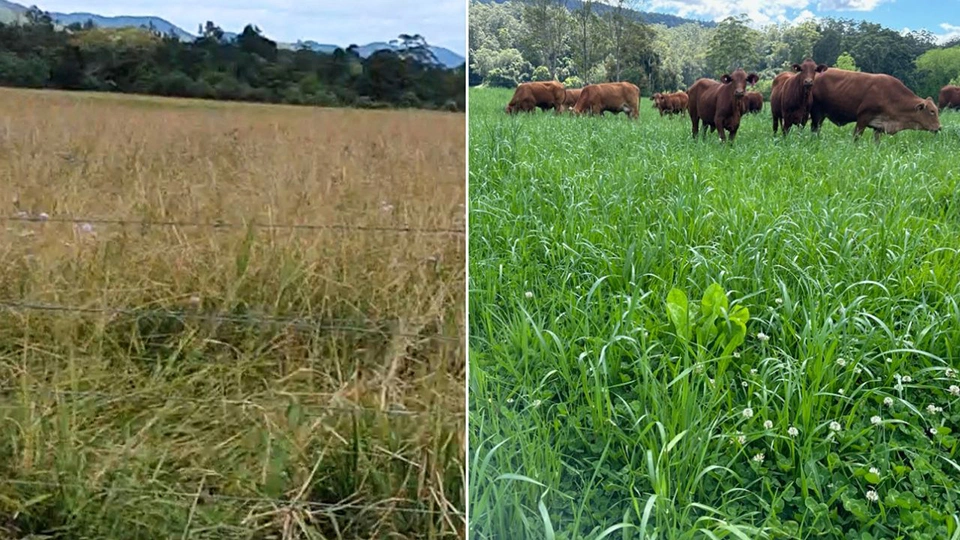
The enhanced biological activity contributed to healthier forage production and improved feed availability.
Improvements observed in pasture and forage quality included:
- Improved pasture vigour
- Better germination of winter forage mixes
- Increased nutrient density
- Improved feed consistency
- Healthier pasture growth
- Stronger root systems
- Improved grazing quality
Livestock Performance Results
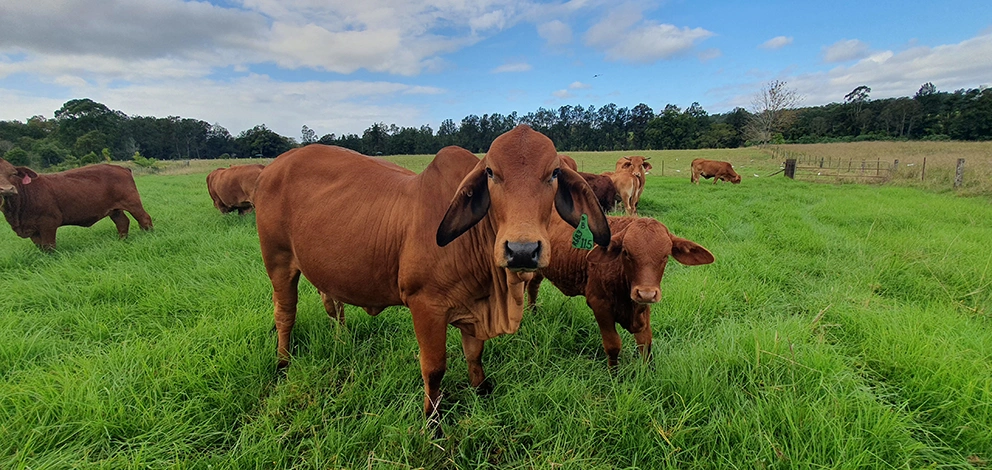
Improved pasture quality and soil function translated into noticeable livestock benefits.
Observed livestock outcomes included:
- Better grazing performance
- Consistent animal condition
- Ability to graze treated paddocks shortly after application
- Improved manure quality and dung beetle activity
- Enhanced livestock resilience
Reduced Farm Costs
The farm’s biological approach reduced the need for conventional fertiliser programs.
The farm achieved reduced input costs through:
- No dependence on NPK fertilisers
- Reduced synthetic inputs
- Improved nutrient cycling
- Greater efficiency from existing resources
- Lower long-term input requirements
- Access to fresh locally made liquid fish hydrolysate and seaweed biofertiliser (no product shipping cost)
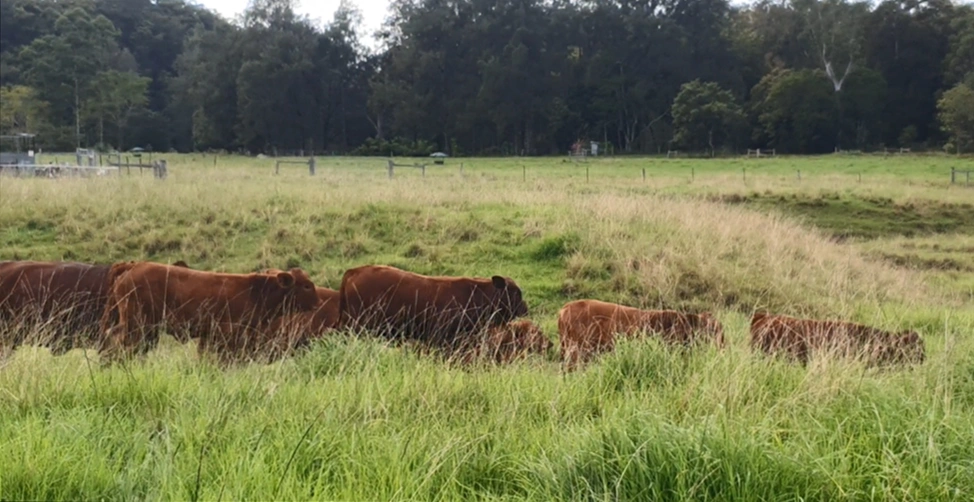
“The growth after a week that they’ve left the most recent paddock is incredible. That gives you confidence to know you’re on the right track and the biology is responding to the inputs.”
Case Study Summary
Troy and Deb, purchased a beef cattle farm in Bellingen, NSW, to ‘retire on’ and soon found themselves regenerating their land through regenerative farming practices, fish hydrolysate, seaweed biofertiliser, natural inputs and livestock supplements.
Over a two-to-three-year period, the farm achieved stronger pasture performance, increased biological activity, healthy livestock and improved resilience, demonstrating how supporting soil biology can drive whole-farm productivity and sustainability. As soil biology improved, the farm increasingly relied on biological processes to support pasture growth and nutrient availability.
Follow Real Farm Results

Join a growing community of Australian farmers improving soil health, pasture performance and farm resilience through natural farming systems. Get the latest updates and new case studies delivered to your inbox each season — free.