Building Healthy Soil with
Biological Fertilisers

Soil health is not just about how much nutrient is present in the soil, but how effectively those nutrients are made available to the plant.  Biological approaches focus on improving this availability through nutrient cycling and soil biology.

Liquid Fish and Seaweed Biological Fertilisers provide a premium soil care solution.  Made through a biological fermentation process, these ocean-sourced mineral concentrates boost soil health and crop nutrition by introducing organic minerals and beneficial microbes.

These microbial inoculants trigger microbial activity in the soil, breaking down organic matter and delivering nutrients in a plant-available form.  Healthier plants, nourished by organic nutrition and beneficial microbes, lead to stronger more resilient crops, and more nutritious produce.


Supporting and feeding your soil’s biology builds a sustainable, productive foundation for long-term farm success

How is Biological Fertiliser Made?

SONIC Biological Fish and Seaweed Fertilisers are made using a cold fermentation process, which preserves the integrity of ocean fish and seaweed kelp ingredients, ensuring the final product is rich in organic nutrients and beneficial microbes.  Each batch is made fresh for every order, ensuring maximum microbial activity and nutrient value.

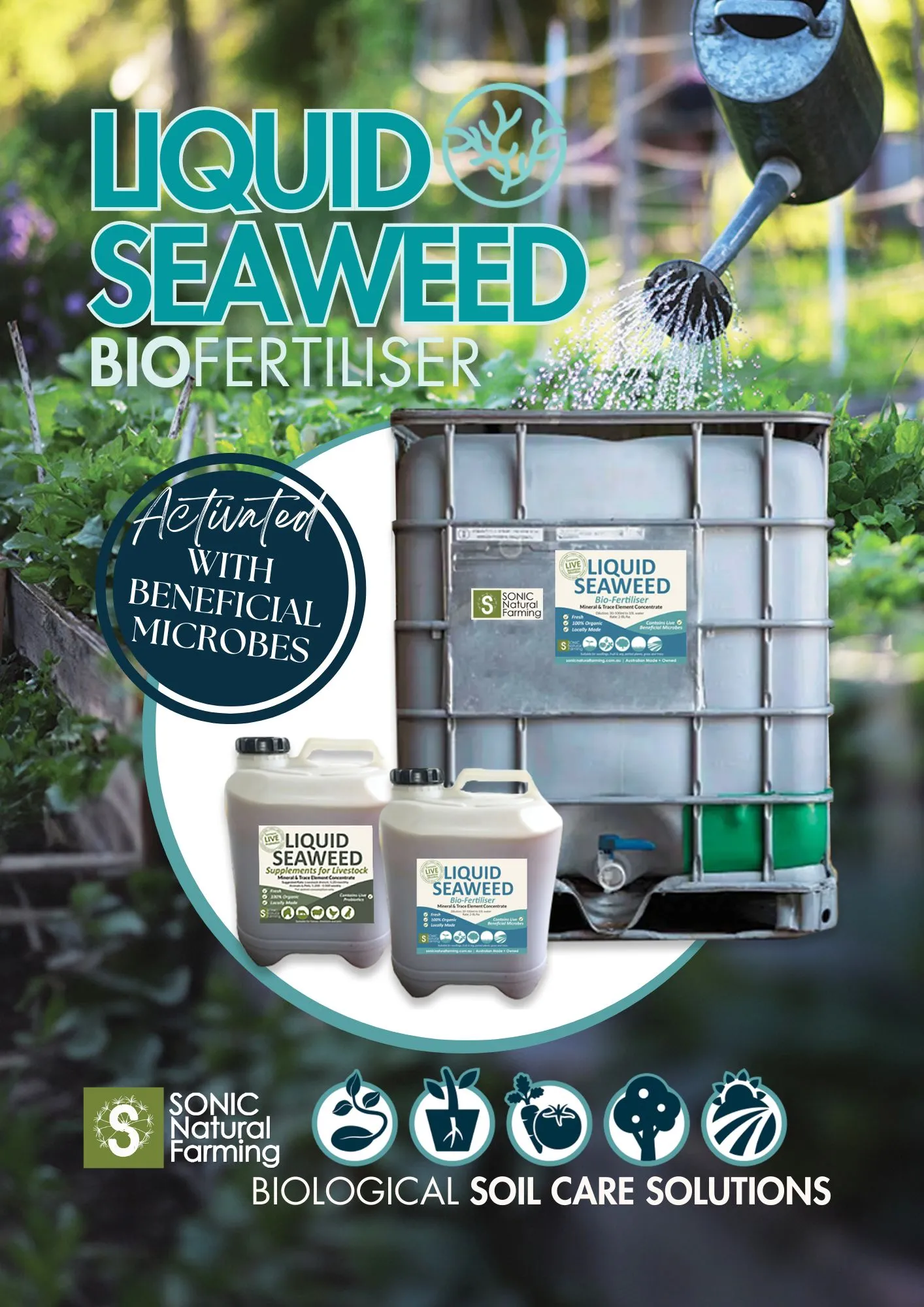
Liquid Seaweed Biofertiliser

The Production Process

Our biological fertilisers are produced using a controlled cold fermentation process designed to preserve natural nutrients and biological activity. This process uses 100% naturally occurring microorganisms, including beneficial bacteria, fungi, and other soil-supporting microbes.

During fermentation, these microbial cultures break down raw fish and seaweed materials into simpler, stable compounds. This process helps retain the integrity of nutrients and naturally occurring bioactive compounds.

Using a cold fermentation method, to produce biological fertilisers, compounds are converted into a soluble form, preserving all minerals and trace elements in a naturally balanced, bio-available state. This allows for easy uptake and utilisation by animals, soil, and the roots and leaves of your crops.

Biological Fermentation

Microbial Starter Cultures  are introduced at the beginning of fermentation to inoculate, activate, and maintain a healthy balance of beneficial microbes throughout the processing period. 

We produce our own microbial starter cultures containing a diverse range of indigenous microbes sourced from a number of unique Australian locations.

Biological Soil Care Solutions

By selecting soil microbes from different soil types and environments, we ensure a broad, resilient microbial profile in our cultures, that produce high-quality biological fertilisers suited to a wide range of soils and climates across Australia.

Unlock the Superpower of Soil Microbes

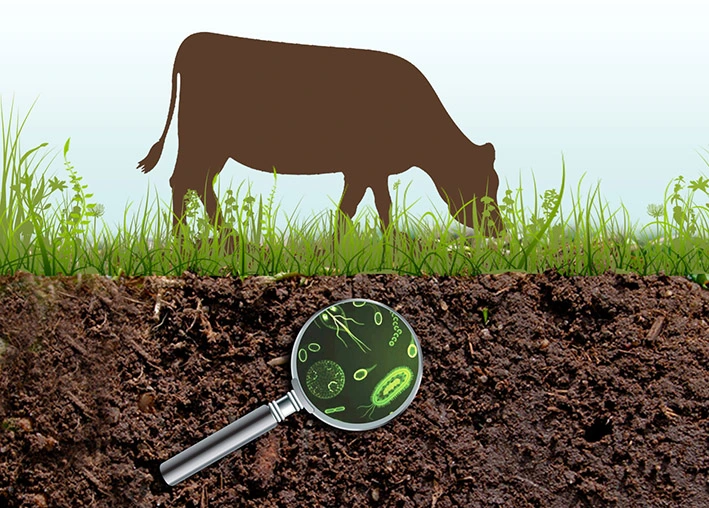
Beneficial soil microbes

How Do Biofertilisers Benefit the Soil?

Biological fertilisers are a soil amendment with both microbial fertiliser and mineral fertiliser effects.

Biofertilisers support natural soil processes by feeding and stimulating the microbes that drive nutrient cycling in the soil. They provide organic compounds, carbon sources, and trace nutrients that help bacteria and fungi become more active.

Rather than simply adding nutrients, biological fertilisers help the soil system function more efficiently, allowing nutrients to be cycled and delivered to plants in a more balanced and wholesome way.

Biological Fertiliser and Natural Farming

Benefits of Boosting Soil Microbes:

  • Enhanced nutrient cycling
  • Improved plant immunity
  • Fix atmospheric nitrogen
  • Supports seed germination
  • Increased nutrient brix levels
  • Improved soil structure and aggregation

Bring Your Soil Back to Life with ‘Living’ Biological Fertilisers

What Makes Biofertilisers Different?

Biological fertilisers work in a fundamentally different way to conventional synthetic inputs. Rather than supplying nutrients in a readily available synthetic (chemical) form, they focus on supporting the living processes within the soil that naturally create fertility over time.

At the centre of this approach are beneficial microbes—bacteria, fungi, and other soil organisms—that help drive the cycles that plants depend on. These microbes don’t just sit in the soil; they actively interact with plant roots, organic matter, and minerals to improve how nutrients are accessed and used.

When these biological systems are functioning well, they help:

  • Enhance nutrient cycling, making nutrients already in the soil more available to plants over time
  • Support plant health, through improved root function and natural plant-soil interactions
  • Improve water retention, as healthier soil structure allows better infiltration and moisture holding capacity

Instead of acting as a direct feed to the plant, biological fertilisers work more like a catalyst—helping the soil system perform the work it is already capable of doing, but more efficiently.

Beneficial Microbes – The Workforce In Your Soil

Biologically fermented Liquid Fish and Liquid Seaweed contain a range of naturally occurring microbes that can directly benefit soil health and, when applied, encourage the growth of these beneficial microbes in the soil. These microbes work in synergy with plants to improve nutrient availability, enhance disease resistance, and support soil biodiversity.

    Beneficial MicrobePrimary Function in the Soil
    Lactic Acid Bacteria (LAB)Enhances nutrient cycling, suppresses harmful pathogens, promotes breakdown of organic matter into plant-available forms.
    Bacillus speciesEnhances nutrient availability (especially phosphorus), breaks down organic matter, controls soilborne diseases.
    ActinobacteriaDecomposes organic matter, especially complex materials like cellulose and lignin. Improves soil texture and nutrient availability.
    RhizobacteriaFixes nitrogen, enhances nutrient uptake, produces growth-promoting hormones (e.g., auxins, cytokinins).
    Pseudomonas speciesProduces antimicrobial compounds, improves nutrient availability, suppresses harmful pathogens, breaks down organic matter.
    YeastsPromotes fermentation of organic matter, produces beneficial byproducts like vitamins and enzymes that support plant growth.
    Fungi (Mycorrhizal Fungi)Forms symbiotic relationships with plant roots, enhances nutrient absorption (particularly phosphorus), increases plant disease resistance.

    Some of the Many Roles Soil Microbes Perform

    Soil biology plays a crucial role in the availability and absorption of nutrients by plants. Here’s the basics:

    1. Microbial Activity
      Soil microbes break down organic matter (like dead plant and animal material) into simpler forms of nutrients, making them accessible to plant roots. Without microbes, many of these nutrients would remain locked in organic forms and unavailable to plants.
    2. Symbiotic Relationships
      Certain microbes, such as mycorrhizal fungi, form symbiotic relationships with plant roots, enhancing the plant’s ability to absorb water and nutrients (especially phosphorus). In return, plants supply the fungi with carbohydrates.
    3. Nutrient Cycling
      Soil microbes are integral in the nutrient cycle. They help decompose organic material, release minerals and nutrients, and create healthy soil conditions, which directly influence which nutrients plants can absorb.
    4. Nutrient Availability
      The activity and diversity of soil organisms determine the types of nutrients that are available in the soil at any given time. For example, some microbes convert nitrogen in the air into forms that plants can use, while others make phosphorus more accessible.
    5. Influence on Soil pH
      Soil microbes can also affect the pH of the soil, which in turn affects nutrient availability. For instance, some microbes acidify the soil slightly, making certain minerals (like iron and manganese) more accessible to plants.

    In summary, healthy soil biology is a key factor in nutrient availability, and plays a significant role in determining the nutrients plants absorb.

    Why Use Liquid Seaweed and Fish Biological Fertilisers?

    Liquid seaweed and fish biological fertilisers are used because they provide both plant nutrition and support for soil biology, helping improve overall soil health and plant performance.

    Unlike synthetic fertilisers that deliver nutrients in a direct chemical form, these biological fertilisers supply a combination of bioavailable nutrients and beneficial microbes.

    Liquid fish fertiliser is particularly rich in organic nitrogen and amino acids that support growth, while liquid seaweed contains trace elements and natural plant compounds that help with stress tolerance and overall plant health.

    Used together, they provide a balanced approach that supports both immediate plant needs and longer-term soil function.

    Biological Fertilisers encourage earthworms, fungi, bacteria and other beneficial organisms to thrive

    Healthy, biologically active soils don’t just improve nutrition – they also enhance drought resilience, water infiltration, and soil structure for better overall growing conditions.
    Biological Fertiliser Production
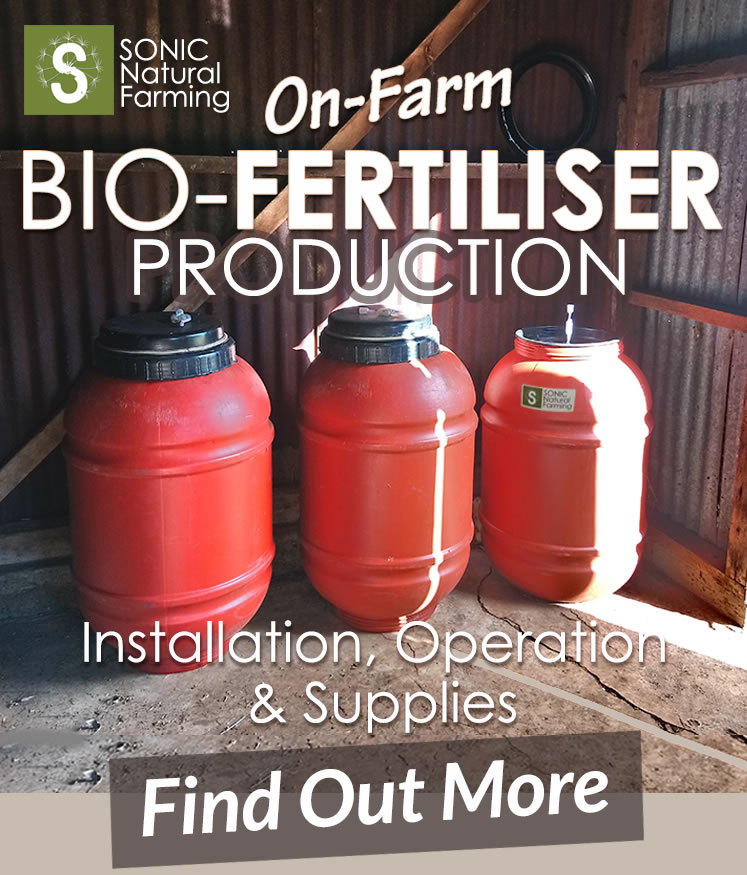
    DIY Biofertiliser Production
    Liquid Seaweed Feed Supplement
    Liquid Seaweed Supplement Feed
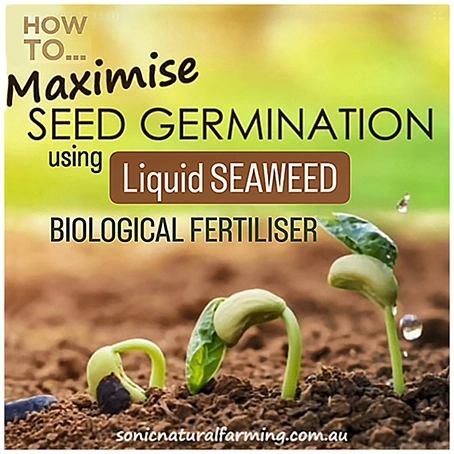
    Boost Seed Germination
    .

    Beyond Synthetic Fertilisers: How To Recover Soil Health Naturally

    True soil fertility doesn’t come from synthetic fertilisers—it comes from how nutrients are cycled and made available through living soil...

    Rethinking Soil Fertility: The True Meaning of Fertiliser

    When we talk about fertiliser today, most of the conversation quickly turns to products, NPK, and application rates.  But the original meaning...

    Adjusting Soil pH On Australian Farms (And Why Microbes Matter)

    Soil acidity is one of the most persistent challenges facing Australian farmers. National soil assessments have long shown that many...

    4 Good Reasons To Feed Soil Microbes All Year Round

    Soil microbes play a vital role in driving crop performance, enhancing nutrient availability, and supporting long-term soil health. Even when conditions aren’t perfect, these microscopic organisms quietly influence the soil’s ecosystem.

    Seaweed Biofertiliser Uses In Regenerative Farming Systems, Australia

    Discover how Australian regenerative farmers are using seaweed biofertiliser as a seed inoculant, foliar spray, and soil drench to feed soil microbes, boost crop resilience, and build healthier, more productive systems—naturally.

    Soil Microbes: Nature’s Solution to Cutting Costs on Aussie Farms

    If you're looking to reduce costs on the farm and boost your soil health at the same time, then focusing on soil microbes might just be the...

    Agroforestry: Getting the Balance Right on Your Australian Farm

    With the right management and a balanced approach, agroforestry can give your farm long-term benefits, reducing operational costs while contributing to a more sustainable farming future.

    How Water Quality Can Limit Fertiliser Efficiency on Australian Farms

    Water quality is a critical factor that can make or break the success of your fertiliser applications on the farm.  Whether you’re using...

    Tailoring Organic Fertilisers for Different Soil Types in Australia

    Australia has a diverse landscapes giving rise to a wide variety of soil types, each with unique challenges and requirements for optimal...

    Top 10 Strategies for Efficient Water Management on Australian Farms

    Effective agricultural water management is crucial for sustaining productivity and ensuring the long-term viability of farming operations. In...

    Top 7 Time-Tested Organic Fertilisers for Any Australian Farm

    If you’re looking to boost your farm’s productivity without breaking the bank, you’re in the right place. In this article, we’ll delve into...

    Biological Seed Treatment: Benefits and Methods

    Biological seed treatment is a 100% natural approach that involves the application of active ingredients such as beneficial fungi and bacteria.

    The 7 Most Cost-Effective Soil Regeneration Strategies, Australia

    Soil fertility is the foundation of a thriving garden or farm, yet many overlook the delicate balance required to maintain it. Imagine your...

    Top 6 Benefits of Regenerative Farming in Australia

    Regenerative agriculture is gaining traction worldwide, and Australia is no exception. This innovative, common sence, approach to farming...

    3 Ways To Build Soil Biology for Optimal Crop Resilience

    Soil biology plays a crucial role in the health and productivity of crops. By understanding how to build soil biology, farmers can enhance crop...

    Top 3 Strategies To Get The Most From Your Biological Fertilisers

    When it comes to fertilisation, Aussie farmers are always looking for cost-efficient strategies that improve productivity without draining the...

    Top 2 Most Cost-Effective Pasture and Cover Cropping Tips in Australia

    When it comes to cover crops and pasture cropping, the general rule of thought is, if you have healthy soil, you you have healthy plants.  This...

    Why Soil Biology is the Missing Link in Soil Fertility

    Soil fertility isn’t just about what you put into the ground—it’s about what’s happening in the soil itself. At the centre of that process is...
    Fish Hydrolysate

    Tough Feed Season? Here’s How a Liquid Seaweed Probiotic Supplement Can Help

    With hay, grain, and pellet prices rising — and paddock feed either scarce or low in nutrients — many Australian farmers are looking for ways to make limited feed go further without compromising livestock health.

    Decoding Your Cattle’s Manure to Optimise Animal Gut Health

    Cattle manure is more than just waste—it's a valuable indicator of animal gut health and nutritional status.  By observing the consistency,...

    Probiotic Liquid Kelp: A Trusted Choice for Aussie Livestock Farmers

    For millennia, farmers around the world have turned to the natural benefits of sea kelp livestock supplements for the health and vitality of...

    How to Boost Silage Quality to Maximise Nutrition for Ruminants

    In the world of ruminant nutrition, silage quality can play a pivotal role in ensuring the health and productivity of your animals. An...

    Iodine Deficiency in Livestock: Symptoms and Effective Natural Remedies

    Iodine is an essential trace element that plays a critical role in both soil health and livestock wellbeing. Despite its importance, many...

    How Better Livestock Digestion Reduces Feed Costs and Improves Feed Efficiency

    Livestock digestive health plays a crucial role in optimising net profit per acre. One key aspect of livestock digestive health is feed...

    The Benefits of Probiotic Liquid Seaweed for Cattle and Calves

    Maintaining optimal gut health is crucial for the overall wellbeing of cattle and livestock. One effective way to support digestive function...

    3 Proven Ways to Optimise Livestock Nutrition

    Ensuring that livestock receive a nutrient-dense diet full of organic nutrition is crucial for their overall health and productivity.  In this...

    How to Improve Livestock Feed Conversion Ratios

    Optimising livestock feed conversion ratios is a crucial aspect of sustainable and efficient animal husbandry. Two effective strategies to...

    How to Reduce Farm Odours with Beneficial Microbes

    Livestock farmers are turning to innovative solutions to tackle the challenge of odour in animal enclosures. By harnessing the power of...
    Liquid Seaweed Probiotic Feed Supplement

    Nutrient-Dense Foods: The Secret to Eating Less and Getting More

    In today’s fast-paced world, it’s easy to fall into the trap of overeating, often driven by cravings, poor food choices, or the sheer abundance...

    How to Source Nutrient-Dense Food on a Budget

    Nutrient-dense food isn't just about the amount of nutrients a food contains, but also the quality and bioavailability of those nutrients. ...

    Liquid Seaweed Fertiliser Comparison: Ferment vs Extract

    Liquid seaweed fertiliser has gained significant popularity in sustainable agriculture due to their natural, nutrient-rich properties that...

    Lacto-Fermentation Vs Vinegar Pickling

    Lacto-fermentation and vinegar pickling are two popular methods of food preservation that have been used for centuries. While they both involve...

    Heat Stress In Plants: Prevention and Recovery

    When plants are exposed to periods of high heat stress, it can have detrimental effects on their growth and overall health. However, one...

    How To Grow Your Own Organic Garlic in Australia

    To grow organic garlic in Australia requires a bit of planning. By following the right steps, however, you can cultivate a healthy crop of...

    Key Benefits Of Using Liquid Seaweed Fertiliser for Plants

    Liquid Seaweed Fertiliser has gained popularity among gardeners and farmers due to its numerous benefits for plants. Derived from mineral rich...

    Reducing Mould and Algae Growth on Microgreens

    The process of seed germination is crucial for successful plant growth. In this section, we will explore the impact of using Biological Seaweed...

    How To Get Nutrient Density From Your Food

    These days you don't have to be just a consumer to shop at the supermarket, you have to be a scientist.  How did we create such a dependence on...

    How to Make Organic Compost for your Garden and Farm

    Discover how to make organic compost to enhance soil health, reduce waste, and promote nutrient-rich plant growth.  Find out the numerous...

    The Gut-Soil Connection: Why Soil Microbes Matter for Your Health

    In this article we are unveiling the intriguing link between soil microbes and human gut health by the role beneficial soil microbes play in...

    Comfrey: How to Use in the Garden and on the Farm

    Comfrey, Symphytum officinale, a versatile plant known for its remarkable properties, probably has the widest range of uses in a permaculture...

    Benefits of Interplanting Small Mixed Crops

    Discover 5 benefits of interplanting small crops like leafy greens, herbs and vegetables in the same garden using open-pollinated seeds. 1. ...

    Why Nutrient-Dense Food Is Important For Your Health

    Discover the key to boosting energy, and overall wellbeing through a nutritious diet.  Nutrient dense food is grown in fertile soil and is not...

    Biological Fertiliser FAQ's

    Conventional synthetic fertilisers are designed to deliver nutrients rapidly, creating fast and predictable plant responses. When nitrogen, phosphorus, and potassium are applied in synthetic forms, plants often respond with quick greening and a surge in biomass.

    Biological fertilisers, on the other hand, work in a fundamentally different way to conventional synthetic inputs. Rather than supplying nutrients in a readily available chemical form, they focus on supporting the living processes within the soil that naturally create fertility over time.

    Read article Rethinking Soil Fertility: The True Meaning of Fertiliser

    These products begin working immediately by stimulating soil biology and delivering bioavailable nutrients. Results vary depending on soil condition and management practices.

    Early benefits such as improved seed germination and plant establishment can be seen quickly, while longer-term improvements—particularly in grazing systems—build over one to three years. In horticulture and orchards, growers often notice improved growth, quality, and extended shelf life of produce with regular use.

    Read more about SONIC Biological Fertilisers

    Liquid seaweed extracts, such as Seasol, are usually produced using chemical or heat extraction to concentrate certain compounds. While these products are widely used, the process can reduce some of the natural components of the seaweed. Seaweed biofertiliser, on the other hand, is cold fermented, preserving a wider range of nutrients and natural compounds in a form that supports soil biology and plant uptake.

    Read Article – Liquid Seaweed Fertiliser Comparison:  Ferment Vs Extract

    We source both fresh and dried fish waste, generated after processing for human consumption, from a network of fish shops and processors handling ocean-caught fish across Australia. By utilising these by-products, we help divert organic waste from landfill and repurpose it into valuable liquid fish hydrolysate biological fertiliser.

    Read article Turning Fish Waste Into Premium Hydrolysate Fertiliser

    SONIC biological fertilisers can help balance soil pH over time by improving overall soil function. The microbes in our biologically fermented fertilisers enhance nutrient cycling and soil structure, which can help buffer pH fluctuations and create more balanced soil conditions.

    Rather than directly changing soil pH like lime or other amendments, biological fertilisers work by supporting the natural processes that help maintain a more stable and productive soil environment.

    Read article Adjusting Soil pH on Australian Farms (and Why Microbes Matter)

    SONIC Liquid Fish and Seaweed Biological Fertilisers are used because they provide both plant nutrition and support for soil biology, helping improve overall soil health and plant performance.

    Key benefits include:
    • Providing fast-available nutrients for plant uptake
    • Feeding and stimulating beneficial soil microbes
    • Supporting nutrient cycling within the soil
    • Improving root development and crop resilience
    • Enhancing soil structure and long-term fertility

    Liquid fish fertiliser is particularly rich in organic nitrogen and amino acids that support growth, while liquid seaweed contains trace elements and natural plant compounds that help with stress tolerance and overall plant health. Used together, they provide a balanced approach that supports both immediate plant needs and longer-term soil function.

    Read article Top 3 Strategies To Get The Most From Your Biological Fertilisers

    icon_chat icon More Help

    Get a Quote

    Products

    Rates and Methods

    SONIC Natural Farming

    LIQUID FISH HYDROLYSATE BIOFERTILISER

    Supercharge your Soil Fertility and Increase Fungal Biomass

    LIQUID SEAWEED BIOLOGICAL FERTILISER

    Nourish Your Crops for Strong Root Growth and Nutrient-Rich Harvests 

    LIQUID SEAWEED PROBIOTIC FOR LIVESTOCK

    Support Your Stock’s Digestion for Optimal Feed Efficiency

    Call our friendly support team

    icon_phone icon  0423 139 578