Feed is one of the biggest costs on most livestock operations, so how well animals turn feed into growth, milk or body condition has a direct effect on profit. This is called feed efficiency, and digestion is central to it. When animals digest and use their feed well, less feed is needed to achieve the same result.
What Affects Feed Efficiency
Several factors influence how efficiently livestock use their feed:
Diet composition and quality: the balance of energy, protein, fibre, minerals and trace elements.
Feeding management: consistency, timing and how gradually diet changes are made.
Water: reliable access to clean water.
Genetics: some animals and breeds convert feed more efficiently than others.
Health and stress: illness, parasites, heat and handling can all reduce feed efficiency.
Housing and environment: shelter, space and weather conditions.
Improving feed efficiency is about balancing your animals’ nutritional needs with cost-effective feeding strategies.
Optimising Nutrition for Better Digestion
A well-balanced diet, matched to each species and stage of production, is the foundation of good digestion. Monitor performance indicators such as weight gain, body condition and feed intake, and adjust the diet as conditions change.
Good management also matters: clean water, suitable housing and a sound animal health program all help animals get the most from their feed.

Feeding Livestock with Biochar
Biochar, a form of charcoal, is increasingly being trialled as a livestock feed additive. Research is still developing and results vary between studies, but areas of interest include:
Methane: some studies have reported lower methane production in the rumen.
Feed efficiency: some trials have reported improved feed efficiency or weight gain, while others have found little effect.
Manure and soil: biochar passes through into manure, where it may help reduce nutrient losses such as ammonia, and adds carbon to the soil when manure is spread.
Binding compounds: biochar can bind some compounds in the gut, which is one reason charcoal has a long history of use with livestock.
If you’re considering biochar, talk to your livestock nutritionist about suitable products and feeding rates.
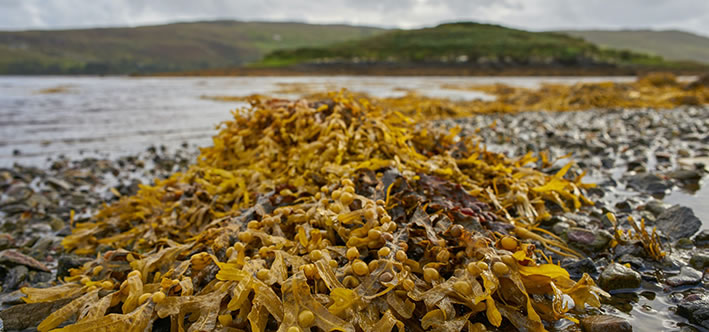
Feeding Livestock with Seaweed
Kelp has been used as a livestock feed ingredient for centuries, particularly in coastal farming regions. Liquid seaweed supplements made from kelp provide naturally occurring minerals, trace elements such as iodine, and kelp compounds such as alginates and fucoidans.
How seaweed-derived compounds interact with the rumen and gut is an active area of livestock research. Many farmers include kelp as a natural mineral source in their nutrition program.
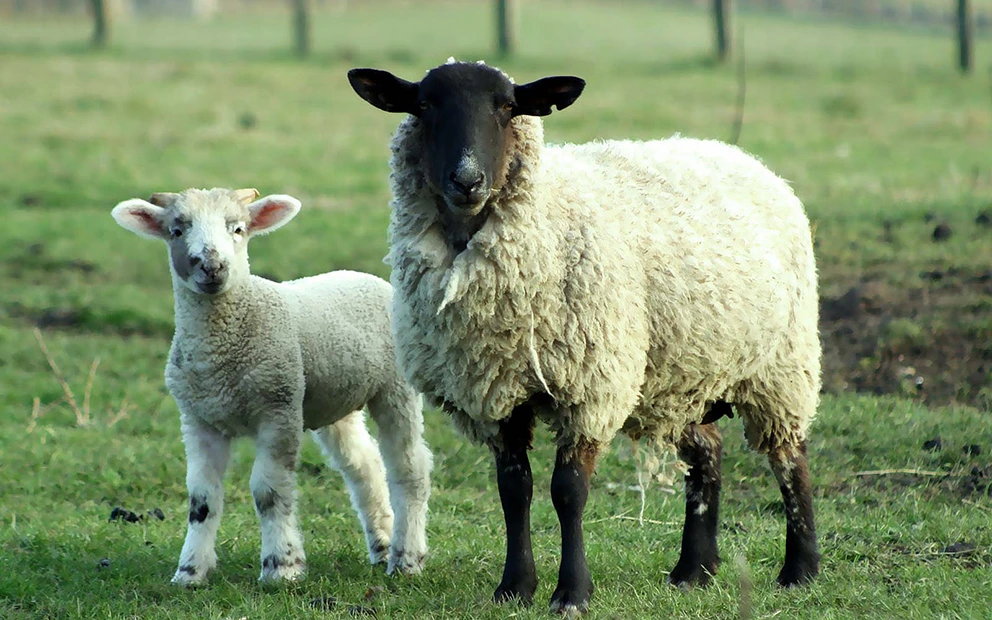
Healthy livestock have a whole and balanced diet for optimum health and performance.
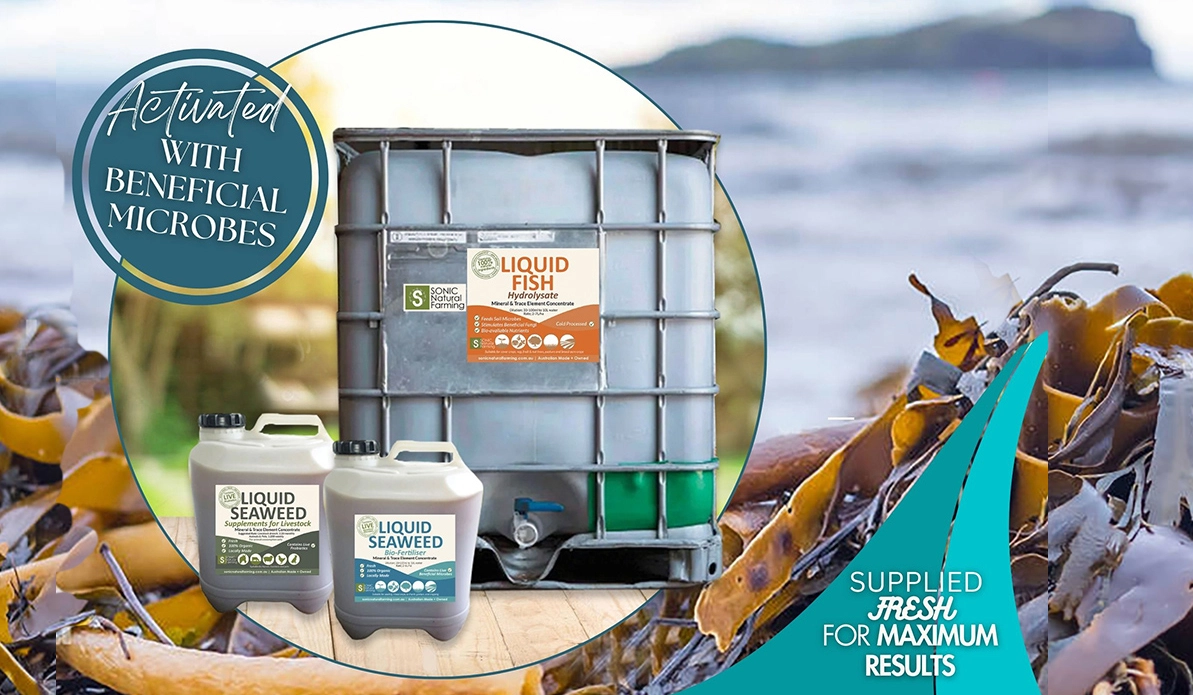
SONIC Probiotic Liquid Seaweed for Livestock is a cold-fermented liquid kelp supplement. Here’s what it offers as part of a balanced diet:
1. A natural source of minerals and trace elements
Kelp naturally contains a broad range of minerals and trace elements, including iodine. This can be useful where pasture or feed is low in trace elements.
2. Naturally occurring kelp compounds
These include polysaccharides such as alginates and fucoidans.
3. Probiotic cultures (direct-fed microbials)
Probiotic cultures are added at the start of the cold-fermentation process. The finished supplement contains the beneficial microbes produced during fermentation, making it a natural direct-fed microbial (DFM) for livestock.
4. Use during higher-demand periods
Farmers often use it during dry seasons, when feed quality is poor, or in late pregnancy and around calving and lambing.
5. Flexible feeding options
Add it to water troughs or feed, spray it onto dry feed, mix it with grain, or add it to lick blocks. See our Rates and Methods page for suggested dilutions.
Note: Because kelp is naturally rich in iodine, follow the suggested rates. If your animals are already receiving other mineral or iodine supplements, check with your livestock nutritionalist.
Summary
Feed efficiency comes down to diet, management and animal health. Liquid seaweed supplements and biochar are two natural feed additives that some farmers include as part of a broader nutrition program. Neither replaces a well-balanced diet, but they can be useful additions alongside good feeding and management practices.
Want to know whether liquid seaweed suits your livestock program? Book a free strategy call.
See more related videos on our hand selected Informational Video List – Regenerative Livestock Farming

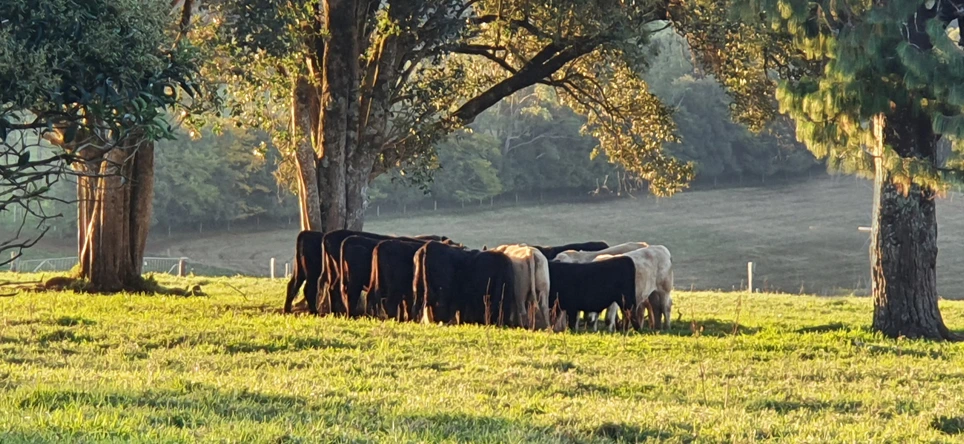
LIQUID Seaweed. A great natural choice for Livestock Nutrition