
Beef Cattle Farm Case Study
Turning Pasture Performance AroundOfficer South, VIC, Australia
When declining pasture growth and rising fertiliser dependence began impacting productivity, this third-generation Victorian beef farmer started searching for a better way. By focusing on soil health, regenerative grazing practices, multispecies pastures and biological inputs, the farm improved pasture performance, increased livestock productivity, reduced fertiliser requirements and built a more resilient farming system.
Case Study At A Glance
| CATEGORY | OUTCOME |
|---|---|
| Farm Type | Beef Cattle |
| Location | West Gippsland, Victoria, Australia |
| Documented Period | 2023 - present |
| Case Study Duration | 2-3 years |
| Enterprise | Vealer production and direct-to-consumer beef sales |
| Primary Focus | Soil health improvement |
| Management Changes | Rotational grazing, back fencing, planting multi-species |
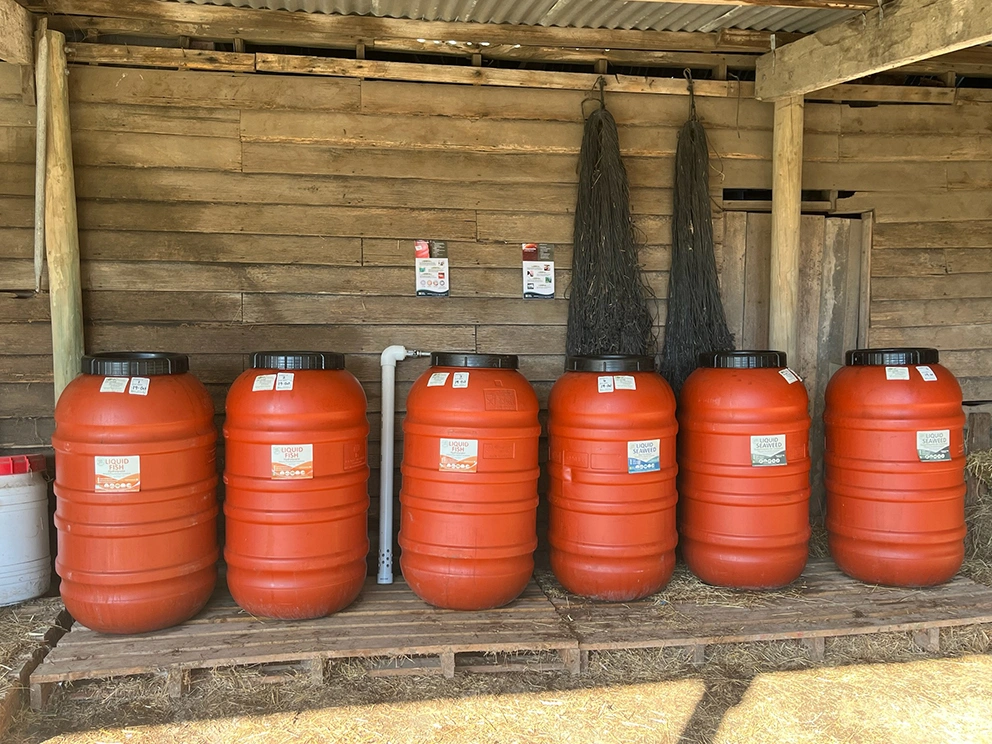
| Inputs Used | Liquid fish and seaweed biofertilisers, trace element mix, low rates of urea, molasses, and liquid seaweed probiotic livestock supplementation. |
| Equipment Used | Tow and Fert - Multi 500 |
| Soil Health | Improved soil structure and biology |
| Crop Health | Improved pasture growth rates and recovery after grazing |
| Livestock Health | Increased calf weight gains (400kg calf at 9 months) |
| Hay Quality | Higher hay quality test result - 2026 (10% CP, 9 MJ ME/kg DM) |
| Silage Qualty | Higher silage quality test results - 2026 (16% CP, 11 MJ ME/kg DM) |
| Input Costs | Reduced organic fertiliser cost (On-farm biofertiliser system), and lower chemical fertiliser rates/cost |
| Productivity | Overall improved pasture performance |
| Financial Result | Increased profitability |
| Overall Outcome | More resilient and productive farming system |
| Key Insight | Soil health improvements directly improved feed and hay quality, livestock performance and reduced farm costs |
Case Study Overview
This Western Gippsland beef cattle enterprise transformed its approach to farm management after noticing declining responses to traditional fertiliser programs. Through a combination of regenerative agriculture practices, multispecies cropping, compost applications, biological inputs and improved grazing management, the farm achieved significant improvements in soil health, pasture productivity, livestock performance and overall farm efficiency.
Key Outcomes
- Improved soil health
- Increased pasture productivity
- Higher biomass production
- Improved livestock performance
- Increased calf growth rates
- Improved nutrient cycling
- Doubled P and K levels (without synthetic inputs)
- Reduced chemical fertiliser dependence
- Lower farm input costs
- Increased farm resilience
“From an animal point of view, I’ve been really, really impressed.”
About The Farm
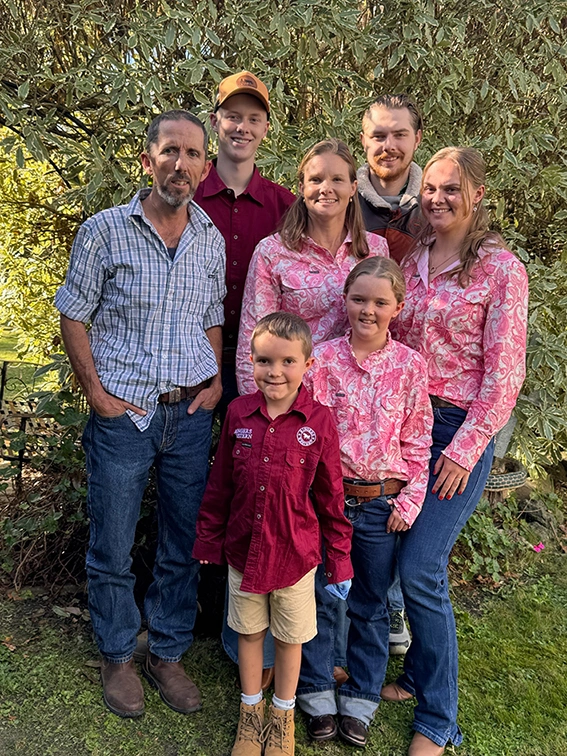
Located in West Gippsland on the outskirts of Melbourne, this third-generation family farm operates a 250-acre beef cattle enterprise producing vealers while also supplying premium beef directly to consumers through a farm gate sales business.
The farm combines livestock production with fodder production, including hay, silage and multispecies forage crops to support year-round feed availability. Like many Australian beef producers, the business faced increasing pressure from rising input costs and declining responses to traditional fertiliser programs.
Seeking to improve productivity while reducing reliance on synthetic inputs, the farm began exploring regenerative agriculture practices and soil health-focused management strategies.
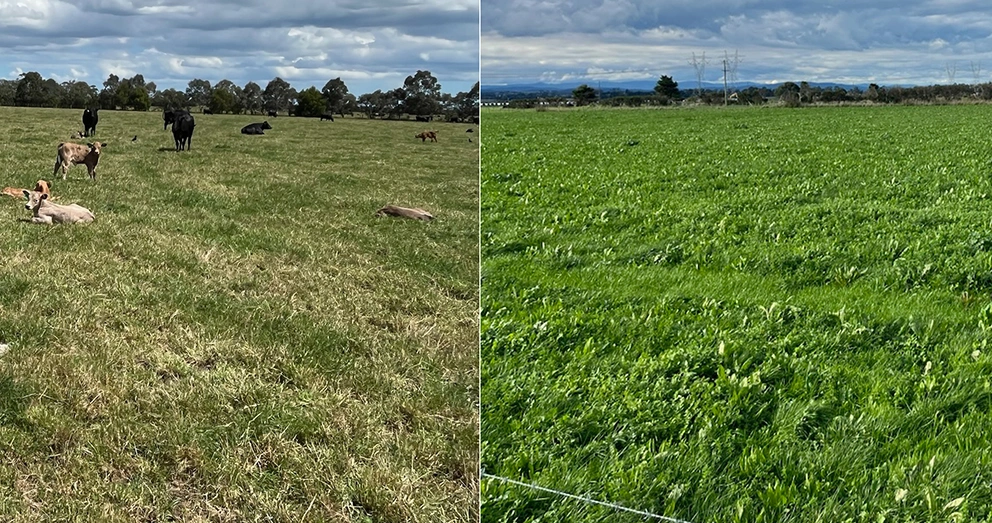
Pasture photo taken April 2022
The Challenge
Over time, pasture growth was declining despite ongoing applications of nitrogen fertiliser and poultry manure. Inputs that had previously delivered strong production responses were becoming less effective, while farm costs continued to increase.
The key challenges included:
• Declining pasture performance
• Reduced response to urea applications
• Increasing fertiliser costs
• Maintaining livestock productivity
• Improving long-term soil health
• Building greater farm resilience
The Approach
The farm adopted a whole-system regenerative agriculture approach focused on rebuilding soil function and improving biological activity.
Key practices included:
• Multispecies pasture and forage crops
• Compost applications
• Regenerative grazing management
• Daily strip grazing and back fencing
• Biological foliar nutrition programs
• Seaweed Biofertiliser applications
• Fish hydrolysate applications
• Molasses and trace element programs
• Reduced nitrogen fertiliser rates
• Increased ground cover and green manure returns
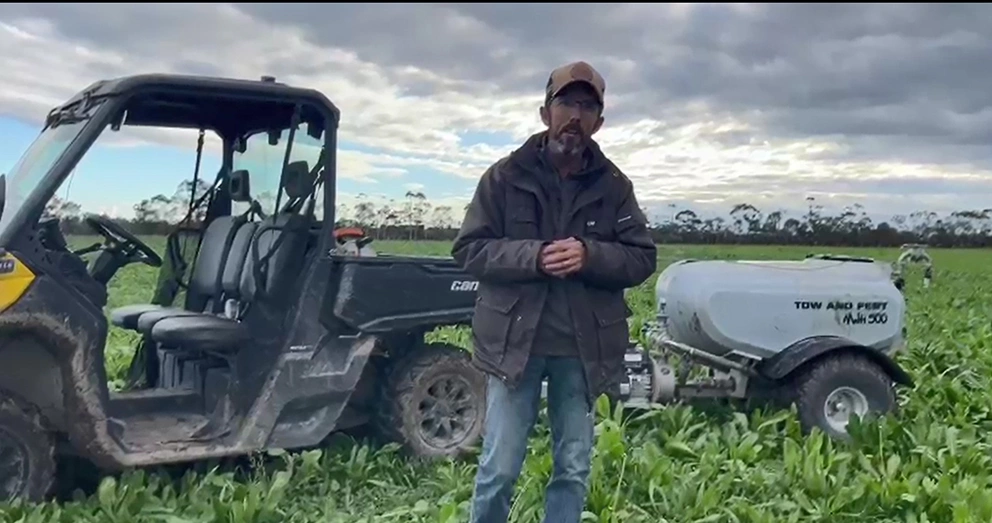
Simon applying a custom blend of inputs including liquid fish and seaweed biofertilisers through his Tow and Fert, June 2026.
Rather than searching for a single solution, Meat Me At The Gate beef farm focused on creating a holistic system that supported soil biology, nutrient cycling and pasture productivity.
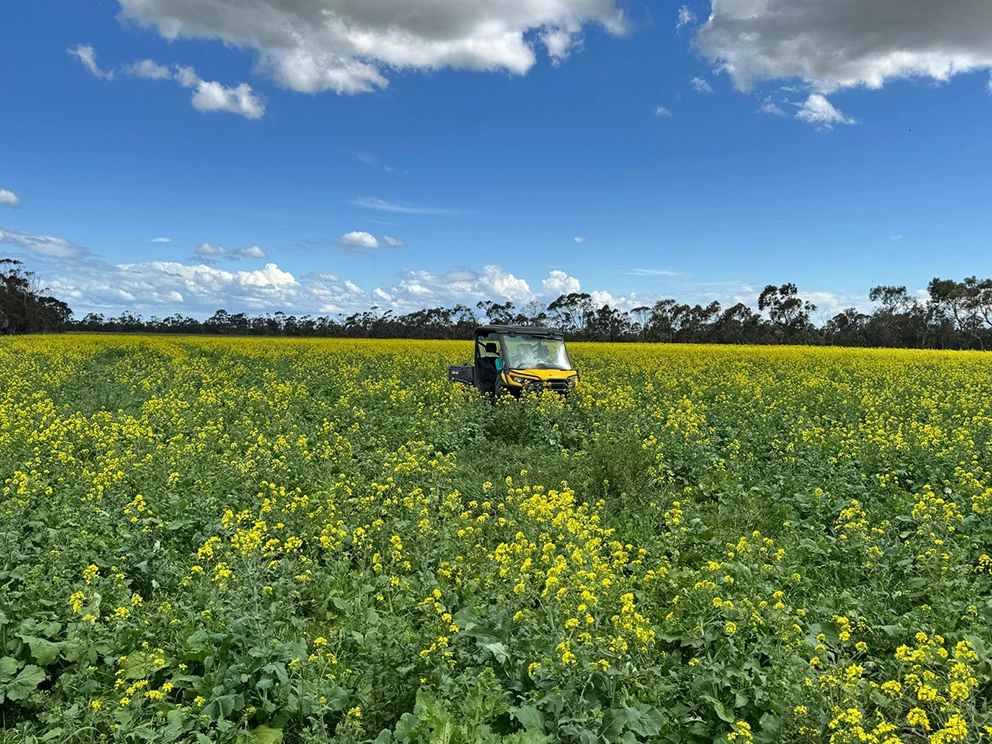
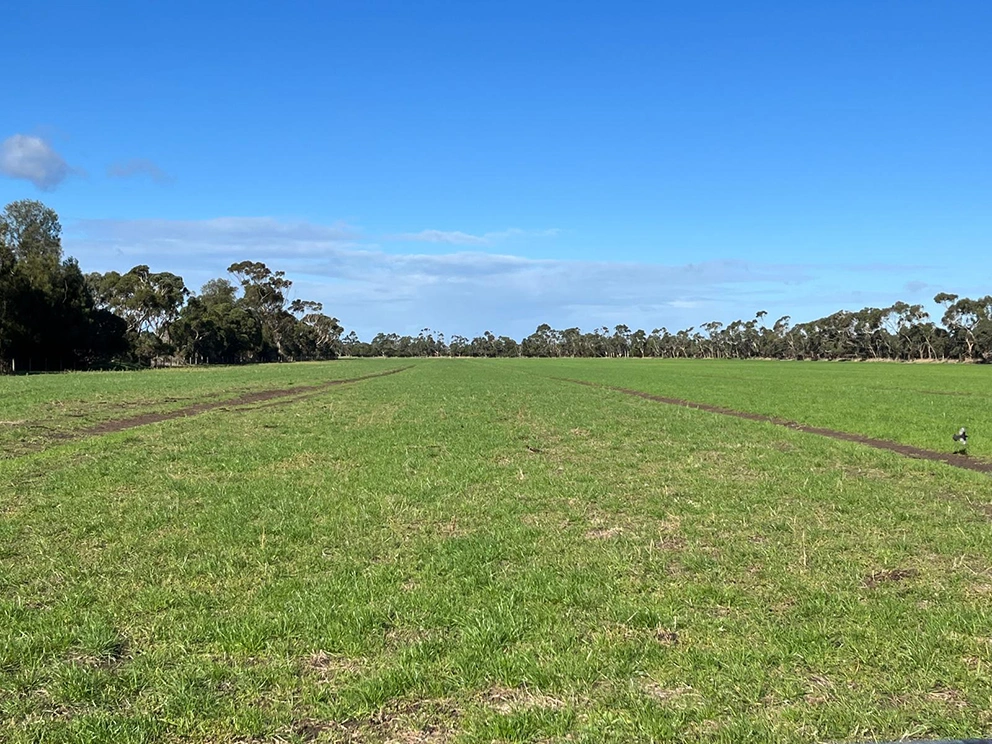
Pasture photo taken December, 2025
Soil Health Results
The farm recorded substantial improvements in soil fertility and nutrient cycling over a three-year period.
Key soil improvements included:
• Olsen Phosphorus increased from approximately 36 to nearly 70
• Potassium levels nearly doubled
• Improved soil biological activity
• Better nutrient cycling
• Increased organic matter returns
• Improved soil structure and function
Importantly, these improvements occurred without applying additional phosphorus or potassium fertilisers.
Pasture and Forage Results
Improved soil health translated directly into stronger pasture performance and increased biomass production. Silage ranked second-highest out of approximately 30 farms in a local feed testing program.
Silage tested at approximately:
- 16% crude protein (CP)
- 11 MJ ME/kg DM
Hay tested at approximately:
- 10% crude protein (CP)
- 9 MJ ME/kg DM
Pasture benefits observed included:
• Increased pasture growth
• Improved pasture quality
• Greater biomass production
• Improved paddock recovery
• Better feed utilisation
• Enhanced forage diversity through multispecies crops
Back fencing and rotational grazing also increased pasture recovery time and improved overall grazing efficiency.
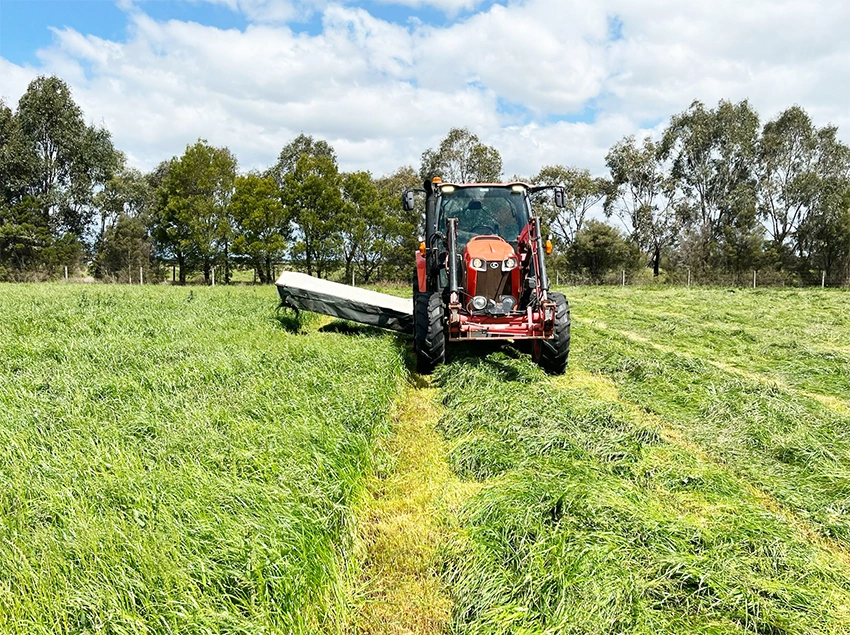
Pasture being harvested for silage production, 2026
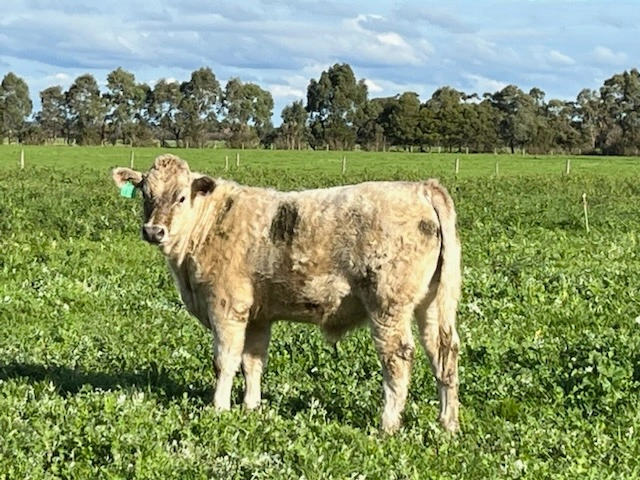
8-9 month calves weighing average 400kg.
Livestock Performance
The connection between improved soil health, forage quality and animal performance became one of the most valuable outcomes of the transition.
Outcomes in livestock performance include:
• Improved animal health
• Better manure consistency and gut function
• Increased calf growth and performance
• Improved livestock productivity
• Better utilisation of available feed
• Greater herd health and resilience
Simon observed cattle eagerly consuming leftover fermented seaweed after processing, highlighting its value as a livestock supplement.
Alongside pasture improvements, Simon saw positive livestock responses from using biologically fermented liquid seaweed in stock water, including cleaner troughs, improved manure consistency, healthier gut function and enhanced cattle performance.
Reduced Farm Costs
A major objective of the transition was reducing reliance on expensive external inputs.
The farm achieved reduced input costs through:
• Lower nitrogen application rates
• Increased nutrient cycling
• On-farm biological fertiliser production
• Reduced livestock supplement costs through on-farm liquid seaweed production
• Improved feed efficiency
• Better pasture utilisation
• Reduced dependence on purchased fertiliser
The result was a more self-sufficient and financially resilient farming system.
“It’s a very worthwhile journey.”
Case Study Summary
This Victorian beef farm demonstrates how focusing on soil health can deliver benefits across the entire farming system. By improving biological activity, nutrient cycling and grazing management, the farm achieved stronger pasture performance, improved livestock productivity, and reduced input costs.
Resulting in a more profitable, productive and sustainable beef cattle enterprise built on the foundations of healthy soil.
Support the Farmer
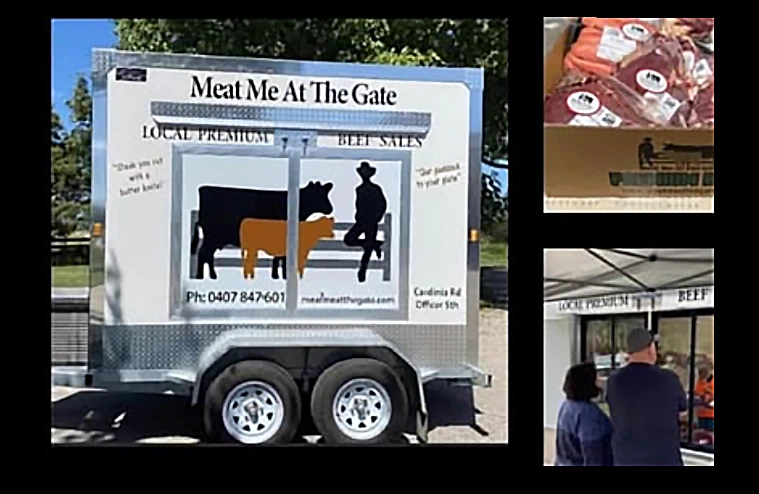
Simon and Michelle also offer premium farm gate beef direct from their property in Officer South, Victoria. If you’d like to learn more about their farming operation or purchase locally raised beef, you can visit their website below.
Visit their website: Meat Me At The Gate
By supporting local farmers, you’re helping family farming businesses continue producing quality Australian food while investing in the long-term health of their land.
Follow Real Farm Results

Join a growing community of Australian farmers improving soil health, pasture performance and farm resilience through natural farming systems. Get the latest updates and new case studies delivered to your inbox each season — free.