As the world becomes increasingly aware of the importance of sustainability, many farmers are moving away from using chemical fertilisers, towards a more natural approach, like using Fish Hydrolysate Fertiliser. In this article we uncover a few reasons why more...
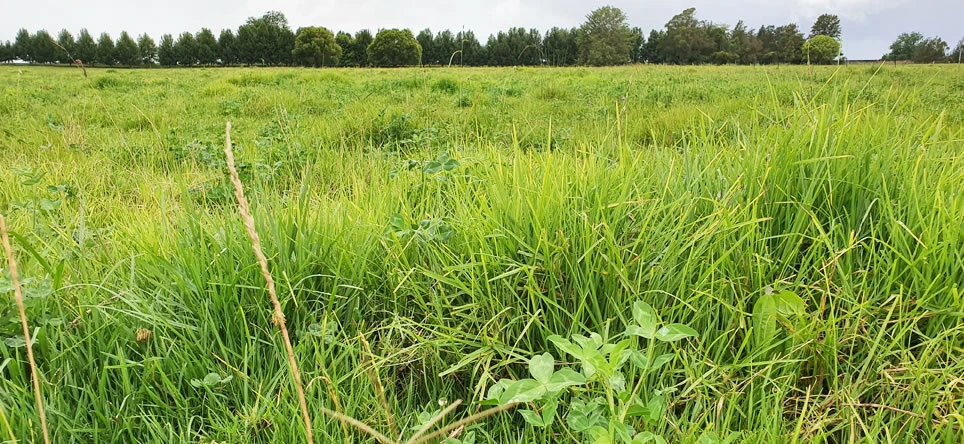
Why is Plant Diversity Beneficial to Soil Fertility? Plant diversity is essential for a thriving ecosystem. When a variety of plant species are grown together, it offers numerous benefits to the soil and overall environmental health. 1. Plant Root Variation Plant...
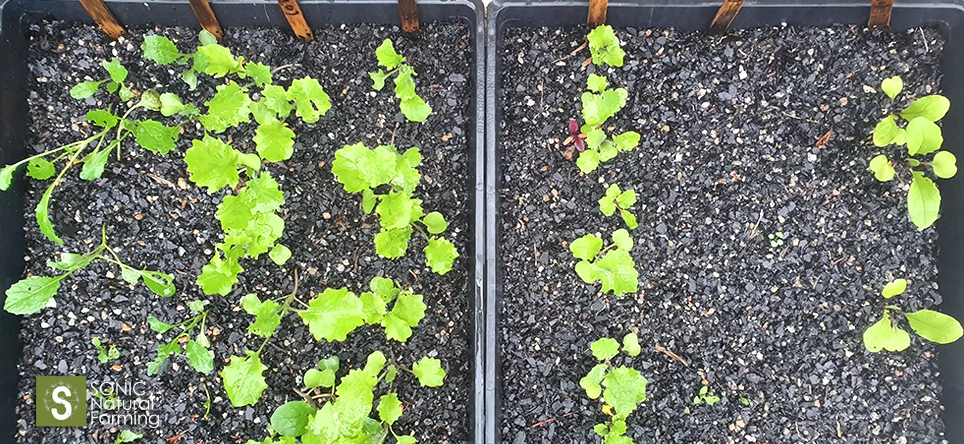
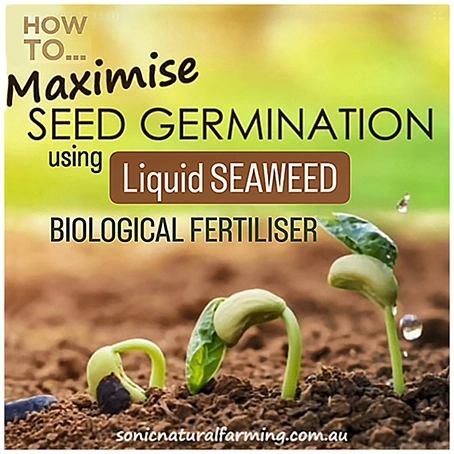
The success of crop production largely depends on the proper conditions for seed germination, ensuring that the seeds sprout and establish healthy roots. When it comes the seeds germination, the treatment of seeds using naturally fermented biological fertilisers has...
Regenerative agriculture is an approach to farming and land management that focuses on rebuilding soil health and restoring degraded land. This holistic method utilises a variety of practices that work in harmony to improve the overall ecosystem. By implementing these...
Liquid fish hydrolysate is an effective tool for orchardists looking to build resilience in their crops. As a natural biostimulant, fish hydrolysate helps plants withstand environmental stresses and bolster their overall health. By applying this nutrient-rich...
Building soil biology is a crucial aspect of sustainable agriculture and gardening practices. By encouraging the return of microbial life and replenishing the soil food web, we can create a self-sufficient network that benefits plant health and overall ecosystem...
In the pursuit of sustainable agriculture, farmers are increasingly looking to nature-based solutions to improve soil health and fertility while minimising their reliance on synthetic inputs. One such remarkable resource is seaweed, which serves as an excellent soil...
As the world becomes increasingly aware of the importance of sustainability, many farmers are moving away from using chemical fertilisers, towards a more natural approach, like using Fish Hydrolysate Fertiliser. In this article we uncover a few reasons why more...
Why is Plant Diversity Beneficial to Soil Fertility? Plant diversity is essential for a thriving ecosystem. When a variety of plant species are grown together, it offers numerous benefits to the soil and overall environmental health. 1. Plant Root Variation Plant...
The success of crop production largely depends on the proper conditions for seed germination, ensuring that the seeds sprout and establish healthy roots. When it comes the seeds germination, the treatment of seeds using naturally fermented biological fertilisers has...
Regenerative agriculture is an approach to farming and land management that focuses on rebuilding soil health and restoring degraded land. This holistic method utilises a variety of practices that work in harmony to improve the overall ecosystem. By implementing these...
Liquid fish hydrolysate is an effective tool for orchardists looking to build resilience in their crops. As a natural biostimulant, fish hydrolysate helps plants withstand environmental stresses and bolster their overall health. By applying this nutrient-rich...
Building soil biology is a crucial aspect of sustainable agriculture and gardening practices. By encouraging the return of microbial life and replenishing the soil food web, we can create a self-sufficient network that benefits plant health and overall ecosystem...
In the pursuit of sustainable agriculture, farmers are increasingly looking to nature-based solutions to improve soil health and fertility while minimising their reliance on synthetic inputs. One such remarkable resource is seaweed, which serves as an excellent soil...