
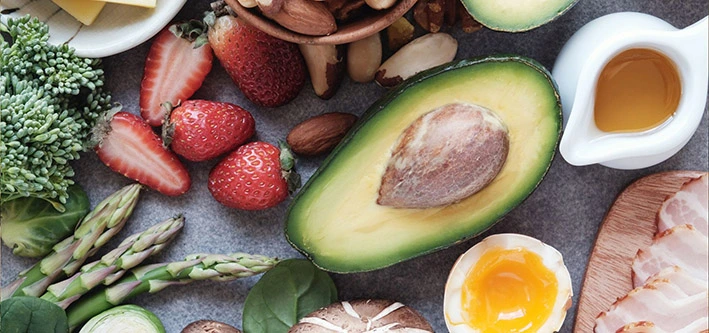
In today’s fast-paced world, it’s easy to fall into the trap of overeating, often driven by cravings, poor food choices, or the sheer abundance of processed foods. Many people are constantly looking for ways to eat less without feeling deprived.
What if the secret to eating less—and feeling more satisfied—was simply eating better? The key is nutrient-dense foods.
What is Nutrient-Dense Food?
Nutrient-dense foods are those that provide the most ‘real’ nutrition—vitamins, minerals, antioxidants, healthy fats, protein, and fibre. These foods are not just filling but also fuel your body with the building blocks it needs to thrive.
Think dark leafy greens, colorful vegetables, fresh fruits, lean proteins, whole grains, and healthy fats like avocados and nuts. When grown without chemicals and synthetic fertilisers, they pack a powerful punch of nutrients that are essential for your body’s well-being.
In contrast, synthetically grown foods, processed snacks, sugary drinks, and refined foods provide a high number of calories but are low in nutrients. While these foods may temporarily fill you up, they often leave you feeling hungry again shortly after eating, think McDonalds and fast-foods, because they don’t nourish your body with the essential vitamins and minerals it needs to function properly.
The Role of Nutrient-Dense Food in Appetite Regulation
One of the key benefits of eating nutrient-dense foods is its impact on your appetite and satiety.
Our bodies have built-in mechanisms for hunger and fullness, and they are designed to prompt us to eat enough to get the nutrients we need to function.
When you eat nutrient-dense foods, your body receives a comprehensive array of vitamins, minerals, and other essential nutrients. As a result, it signals to your brain that your nutritional needs have been met, which naturally reduces your desire to keep eating.
On the other hand, when you consume processed or nutrient-poor foods, your body doesn’t receive what it truly needs. This can result in your brain sending out hunger signals because it hasn’t been sufficiently nourished, even though you’ve already consumed a large amount of calories.
So, you find yourself eating more, even though you’re not actually hungry—you’re just not getting the nutrients your body requires to feel satisfied.
Why You Don’t Need to Eat as Much Eating Nutrient-Dense Foods
Fuller for Longer
Nutrient-dense foods are typically rich in fiber and healthy fats, both of which are digested more slowly, keeping you full longer. For example, eating a hearty salad with avocado, nuts, and a variety of fresh vegetables can keep you feeling satisfied for hours because the fibre and fats help slow down digestion.
On the other hand, a high-sugar snack like a granola bar may give you an initial burst of energy but leaves you hungry again within an hour because it doesn’t provide long-lasting nutrients.
Balanced Blood Sugar Levels
Eating nutrient-dense foods helps regulate blood sugar levels. Foods like whole grains, leafy greens, and lean proteins help maintain stable blood sugar, preventing the rapid spikes and crashes associated with processed foods and sugary snacks.
When your blood sugar remains stable, you’re less likely to experience sudden hunger pangs or cravings, which means you don’t need to eat as often or in large quantities.
More Efficient Energy Use
Nutrient-dense foods provide your body with the vitamins and minerals it needs to produce energy efficiently. When you eat a balanced, nutrient-packed meal, your body can extract more energy from the food you consume, leaving you feeling energised and not needing to eat again soon.
In contrast, when you eat low-nutrient foods, your body may not be able to use that energy as efficiently, prompting you to eat more frequently to sustain your energy levels.
Reduced Cravings
When your body receives a full spectrum of nutrients, it’s less likely to crave processed or unhealthy foods. Nutrient-dense foods help curb cravings for sugary or salty foods by providing the essential nutrients your body needs.
This is a stark contrast to eating nutrient-poor foods, which may temporarily satisfy your hunger but leave you craving more because your body is still looking for the nutrients it didn’t get the first time.
Mindful Eating and Portion Control
Eating nutrient-dense food encourages mindfulness in your eating habits. These foods are often whole, minimally processed, and full of natural flavors, which can help you enjoy the eating experience more.
Because your body is receiving the nutrients it craves, you’re less likely to overeat or reach for second servings. Eating a smaller portion of nutrient-rich food can be just as satisfying, if not more so, than eating a large portion of low-nutrient food.
The Power of Organic, Microbially Rich Soil
One of the reasons nutrient-dense foods can be so effective is the quality of the soil they are grown in.
Organic, microbially rich soil is teeming with beneficial microorganisms that break down organic matter and make nutrients available to plants. This leads to food that is richer in vitamins, minerals, and antioxidants—key elements that help your body thrive.
When crops are grown in soil that has been nurtured through sustainable practices, and natural inputs, they can access a wide range of nutrients from the soil, which are then absorbed into the plants and passed on to us when we eat them.
These nutrient-dense foods support our health by providing the full spectrum of necessary nutrients, and, as a result, we don’t need to eat as much to feel nourished and satisfied.
Less Is More
When you prioritise eating nutrient-dense foods, you’re giving your body the nutrition it needs to function at its best. These foods keep you feeling full longer, stabilise blood sugar, reduce cravings, and help you eat less while getting more out of every bite.
Whether you’re looking to maintain a healthy weight, increase your energy, or just improve your overall well-being, switching to nutrient-dense foods could be the game-changer you’ve been looking for. By focusing on quality over quantity, you’ll find that you don’t need to eat as much to feel truly nourished and satisfied.

Why Nutrient-Dense Foods Matter
The human body thrives on nutrient-dense foods, not just calories. These foods supply essential vitamins, minerals, and trace elements that support long-term health, energy, and vitality. While macronutrients like protein, carbohydrates, and fats are important, it’s the bioavailable micronutrients in real foods that make a real difference.
Key nutrients found in nutrient-dense foods include:
Trace minerals such as selenium, iodine, zinc, copper, and manganese, which support metabolism, immune function, and antioxidant protection.
Micronutrients like vitamin K, B vitamins, and folate, essential for blood health, energy production, and brain function.
Phytonutrients and antioxidants in whole fruits, vegetables, nuts, and seeds that protect against chronic diseases and help the body detoxify naturally.
By focusing on high-nutrient foods, we give our bodies what they truly need to function optimally.
How Nutrient-Dense Foods Support Thriving Health
Eating nutrient-rich foods grown with natural minerals and nutrients gives our cells the building blocks to repair, regenerate, and perform at their best. The benefits go far beyond basic survival:
- Increased energy and vitality
- Improved mental clarity and focus
- Strong immune resilience
- Hormonal balance and long-term health
Without access to bioavailable, naturally occurring nutrients, the body can become fatigued, sluggish, and more prone to chronic illness.
For example:
Magnesium, abundant in leafy greens, nuts, and seeds, supports muscle function and sleep. A deficiency may lead to cramps, fatigue, and restless nights.
Zinc and iodine are critical trace minerals for immune function and hormone production. Insufficient intake can compromise immunity and metabolic health.
Eating whole, nutrient-dense foods allows you to eat less but gain more, giving your body the nutrients it truly needs.

How to Incorporate More Nutrient-Dense Foods
To maximise the benefits of a nutrient-dense diet, focus on foods that are:
- Fresh and minimally processed
- Rich in vitamins, minerals, and trace elements
- Full of phytonutrients and antioxidants
- Grown in nutrient-rich soils for maximum bioavailability
- Examples include:
- Leafy greens like spinach and kale
- Nuts and seeds such as almonds, pumpkin seeds, and sunflower seeds
- Fresh fruits like berries, citrus, and kiwifruit
- Legumes, whole grains, and naturally raised animal products
By choosing nutrient-dense foods, you give your body everything it needs to thrive while reducing the quantity of food you need to feel satisfied.

Summit Organics in the Northern Rivers, NSW, produce nutrient-dense food on their mixed crop farm, using organic inputs and adding layers of organic matter and compost for each new crop rotation.
How to Know How Your Food is Grown
Many of us are disconnected from the source of our food. Without understanding how it’s produced, it’s easy to assume all foods are equally nutritious. But not all farming practices deliver the same nutrient density in the foods we eat.
Conventional farming methods often rely on synthetic fertilisers and chemical pesticides, which can degrade soil health over time. Poor soil health can reduce the bioavailable nutrients, trace minerals, and vitamins in crops, resulting in lower-quality, less nutrient-rich foods.
In contrast, regenerative and organic farming practices focus on building healthy soil, promoting biodiversity, and reducing chemical inputs. These methods produce crops that are naturally richer in nutrient-dense foods and high-nutrient foods, providing more vitamins, minerals, and phytonutrients per bite.
Understanding how your food is grown is essential if you want to consistently choose nutrient-dense options. Ways to take control of your nutrition include:
- Connecting with local farmers and learning about their soil and growing practices
- Reading labels carefully and supporting organic or regenerative farms
- Growing your own high-nutrient foods in home gardens
- Choosing fresh, minimally processed whole foods rich in nutrients
Even on a budget, sourcing nutrient-dense foods is possible. It may take some planning, research, and a strategic approach to shopping, but it’s entirely achievable. Prioritising Australian nutrient-dense foods not only supports local producers but also ensures you’re getting the freshest, highest quality bioavailable nutrients.

Sourcing Nutrient-Dense Food
Here are 8 main ways to eat healthy, nutrient-dense food in Australia:
- Plan Your Meals: Planning meals for the week can help you avoid impulse purchases and make sure you’re buying only what you need.
- Buy In-Season Produce: Fresh fruits and vegetables that are in season are often cheaper and more nutrient-dense. Look for seasonal items and buy them in bulk if possible.
- Shop at Local Markets: Farmers’ markets can offer fresher, nutrient-dense, and sometimes more affordable produce compared to supermarkets.
- Focus on Whole Grains and Legumes: Foods like naturally grown lentils, beans, chickpeas, and whole grains (e.g., brown rice, oats, quinoa) are not only affordable but also rich in nutrients like fiber and protein.
- Buy Frozen Vegetables and Fruits: Frozen produce is often cheaper than fresh and can sometimes be just as nutritious since it’s picked and frozen at its peak. It also lasts longer, reducing food waste.
- Grow Your Own Herbs and Vegetables: Even if you don’t have a large space, growing your own herbs (like basil, parsley, or mint) and vegetables (such as tomatoes or lettuce) can help increase your nutrient-dense ingredients.
- Protein Sources: Buy regeneratively grown meat in bulk, directly from the farmer, and freeze. Protein sources can also include home-grown eggs.
By incorporating these strategies into your grocery shopping and meal planning, you can enjoy a healthy, nutrient-dense diet.
Summary
Eating nutrient-dense foods lets you eat less and get more — more vitamins, minerals, trace elements, and phytonutrients in every bite. The most nutrient-rich foods come from organic, regenerative, or local Australian farms that prioritise soil health, biodiversity, and natural growing methods.
By choosing high-nutrient foods grown naturally, you give your body the bioavailable nutrients it needs to repair, regenerate, and perform at its best. Every meal becomes an opportunity to nourish your body fully, supporting energy, immunity, mental clarity, and long-term health.
Focusing on nutrient-dense foods means you can eat less food overall while gaining more nourishment — truly getting the most out of every bite.
Disclaimer:
The information in this article is for general guidance and not professional advice—always consider your individual circumstances or consult with a professional before making decisions. For more details, please review our full Disclaimer.
At SONIC Natural Farming, we’re committed to helping farmers easily access organic inputs, at the same time as saving big!
SONIC On-Farm Production Services minimise transportation costs. Plus, by reusing packaging on the farm, farmers can reduce plastic waste and packaging expenses, saving even more.
But that’s not all—SONIC Production and Training Packages empower farmers to produce their own Biological Solutions using the most eco-friendly and cost-effective solution available today.

Want to see how we can help you beat the high cost of organic inputs?

BIOLOGICAL SOLUTIONS
For Seeds, Soil, Crops, and Livestock