Liquid fertiliser is a popular choice among farmers due to its numerous advantages over dry fertilisers. In this article, we will explore the benefits of using liquid fertiliser and how it compares to its dry counterpart. By understanding these advantages, you will be...
Fish and sea plants, like seaweed, spend its entire life cycle, immersed in this mineral rich bath, absorbing all the nutrients it needs to live, grow, and reproduce. In this article we explore the vital role of the ocean in agriculture, providing mineral rich fish...
Soil fertility isn’t just about what you put into the ground—it’s about what’s happening in the soil itself. At the centre of that process is biology. Microbes, fungi, and other soil life are what break down organic matter, cycle nutrients, and make them available to...
As the world becomes increasingly aware of the importance of sustainability, many farmers are moving away from using chemical fertilisers, towards a more natural approach, like using Fish Hydrolysate Fertiliser. In this article we uncover a few reasons why more...
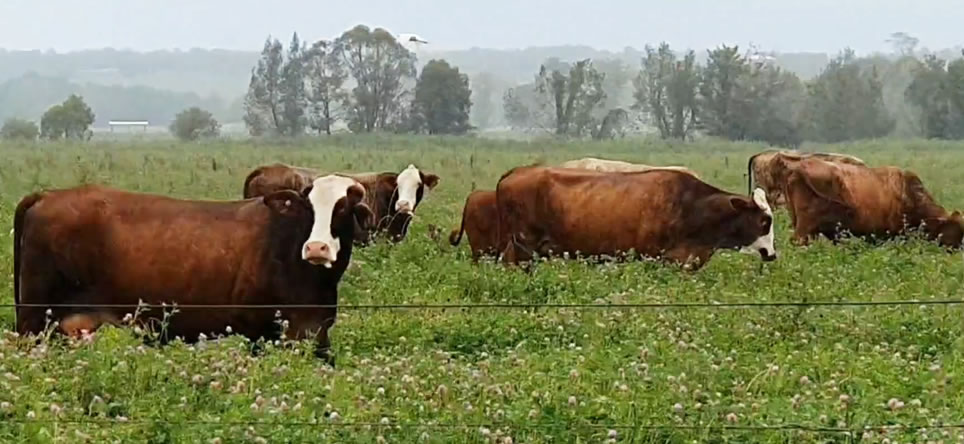
Ensuring that livestock receive a nutrient-dense diet full of organic nutrition is crucial for their overall health and productivity. In this article we explore 3 ways you can optimise nutrition for livestock. Ruminant Digestion The digestive system of ruminant...
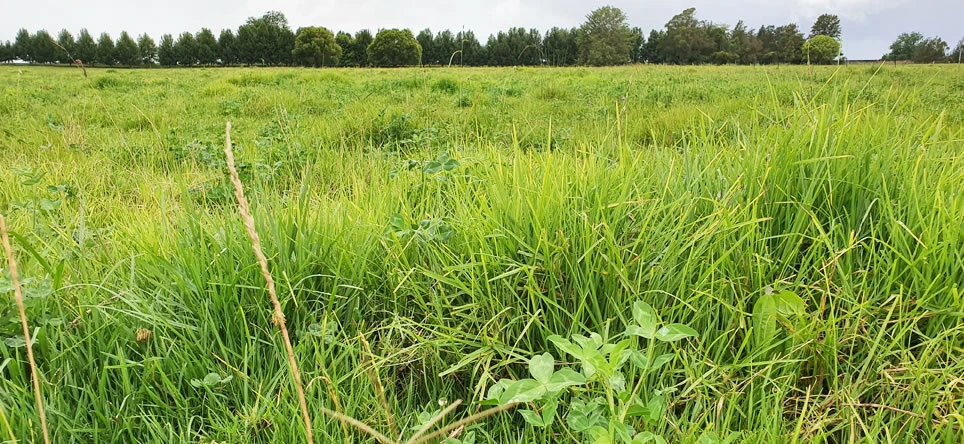
Why is Plant Diversity Beneficial to Soil Fertility? Plant diversity is essential for a thriving ecosystem. When a variety of plant species are grown together, it offers numerous benefits to the soil and overall environmental health. 1. Plant Root Variation Plant...
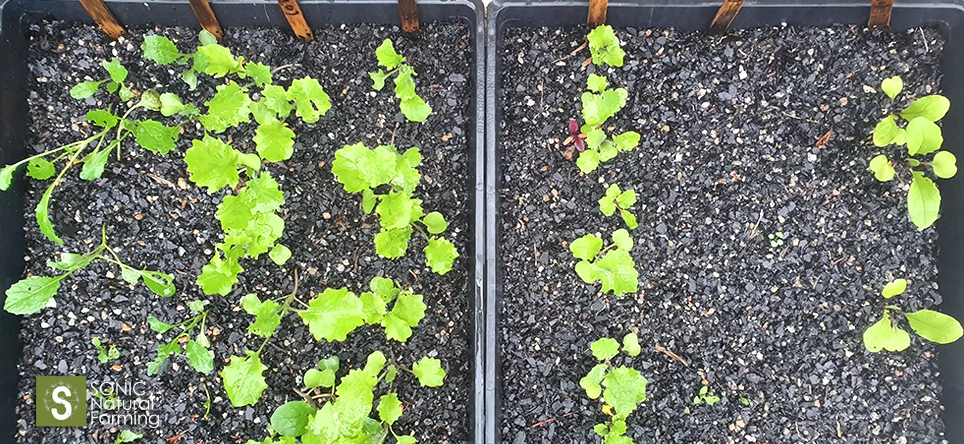
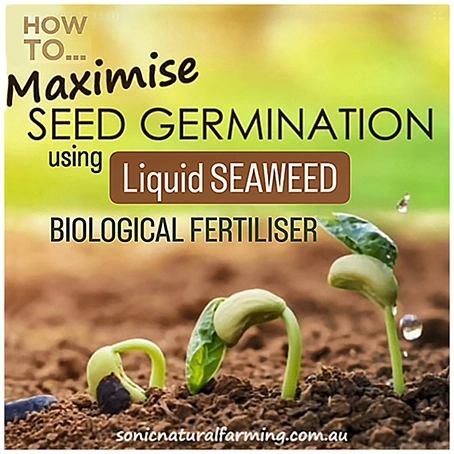
The success of crop production largely depends on the proper conditions for seed germination, ensuring that the seeds sprout and establish healthy roots. When it comes the seeds germination, the treatment of seeds using naturally fermented biological fertilisers has...
Farmers stand to gain numerous benefits from utilising an On-Farm Biofertiliser Production System to acess fresh Liquid Fish Hydrolysate and Liquid Seaweed Biofertiliser and Liquid Kelp Probiotic Livestock Supplement. An On-Farm Production System and Services offer a...
Regenerative agriculture is an approach to farming and land management that focuses on rebuilding soil health and restoring degraded land. This holistic method utilises a variety of practices that work in harmony to improve the overall ecosystem. By implementing these...
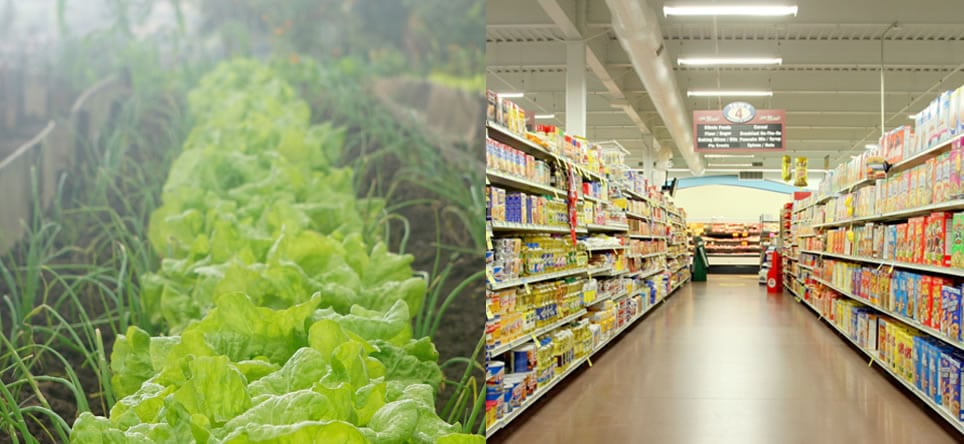
These days you don’t have to be just a consumer to shop at the supermarket, you have to be a scientist. How did we create such a dependence on a myriad of denatured and highly processed foods from all over the globe? A simple ice block that used to be made up...
Fish hydrolysate fertiliser is a valuable tool in agricultural systems to improve soil health and provide organic nitrogen to plants. This type of fertiliser is produced by breaking down fish parts, such as bones, skin, and organs, into a liquid form. The resulting...
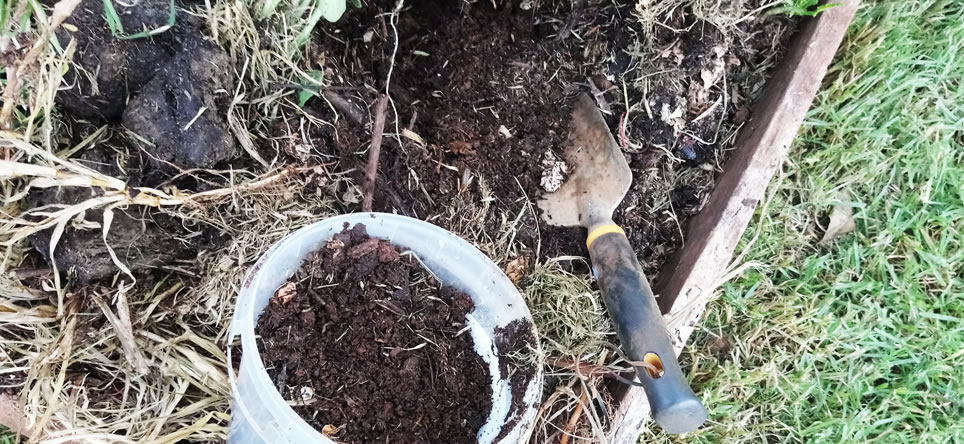
Discover how to make organic compost to enhance soil health, reduce waste, and promote nutrient-rich plant growth. Find out the numerous benefits of fermentative composting, also sometimes known as the SPIC method, and learn how this sustainable composting method can...
Optimising livestock feed conversion ratios is a crucial aspect of sustainable and efficient animal husbandry. Two effective strategies to achieve this goal are the incorporation of probiotic liquid seaweed supplements and the implementation of regenerative grazing...
Livestock farmers are turning to innovative solutions to tackle the challenge of odour in animal enclosures. By harnessing the power of beneficial microbe formulas, they can not only reduce unpleasant odours on the farm, but can also promote a healthier environment...
Liquid fish hydrolysate is an effective tool for orchardists looking to build resilience in their crops. As a natural biostimulant, fish hydrolysate helps plants withstand environmental stresses and bolster their overall health. By applying this nutrient-rich...
Fermentation is a process that has been utilised for centuries in various industries, including the production of biological fertilisers. Biofertilisers are organic fertilisers that are derived from natural sources and provide essential nutrients to plants, and...
In this article we are unveiling the intriguing link between soil microbes and human gut health by the role beneficial soil microbes play in plant nutrient delivery. Today, studies show that humans are around 90% deficient of beneficial gut bacteria. This is due to an...
Comfrey, Symphytum officinale, a versatile plant known for its remarkable properties, probably has the widest range of uses in a permaculture system of any plant. Comfrey contains Vitamins A, B1, B2, B3, B5, B6, B9, B12, C and E, as well as phosphorous, potassium,...
Liquid fertiliser is a popular choice among farmers due to its numerous advantages over dry fertilisers. In this article, we will explore the benefits of using liquid fertiliser and how it compares to its dry counterpart. By understanding these advantages, you will be...
Fish and sea plants, like seaweed, spend its entire life cycle, immersed in this mineral rich bath, absorbing all the nutrients it needs to live, grow, and reproduce. In this article we explore the vital role of the ocean in agriculture, providing mineral rich fish...
Soil fertility isn’t just about what you put into the ground—it’s about what’s happening in the soil itself. At the centre of that process is biology. Microbes, fungi, and other soil life are what break down organic matter, cycle nutrients, and make them available to...
As the world becomes increasingly aware of the importance of sustainability, many farmers are moving away from using chemical fertilisers, towards a more natural approach, like using Fish Hydrolysate Fertiliser. In this article we uncover a few reasons why more...
Ensuring that livestock receive a nutrient-dense diet full of organic nutrition is crucial for their overall health and productivity. In this article we explore 3 ways you can optimise nutrition for livestock. Ruminant Digestion The digestive system of ruminant...
Why is Plant Diversity Beneficial to Soil Fertility? Plant diversity is essential for a thriving ecosystem. When a variety of plant species are grown together, it offers numerous benefits to the soil and overall environmental health. 1. Plant Root Variation Plant...
The success of crop production largely depends on the proper conditions for seed germination, ensuring that the seeds sprout and establish healthy roots. When it comes the seeds germination, the treatment of seeds using naturally fermented biological fertilisers has...
Farmers stand to gain numerous benefits from utilising an On-Farm Biofertiliser Production System to acess fresh Liquid Fish Hydrolysate and Liquid Seaweed Biofertiliser and Liquid Kelp Probiotic Livestock Supplement. An On-Farm Production System and Services offer a...
Regenerative agriculture is an approach to farming and land management that focuses on rebuilding soil health and restoring degraded land. This holistic method utilises a variety of practices that work in harmony to improve the overall ecosystem. By implementing these...
These days you don’t have to be just a consumer to shop at the supermarket, you have to be a scientist. How did we create such a dependence on a myriad of denatured and highly processed foods from all over the globe? A simple ice block that used to be made up...
Fish hydrolysate fertiliser is a valuable tool in agricultural systems to improve soil health and provide organic nitrogen to plants. This type of fertiliser is produced by breaking down fish parts, such as bones, skin, and organs, into a liquid form. The resulting...
Discover how to make organic compost to enhance soil health, reduce waste, and promote nutrient-rich plant growth. Find out the numerous benefits of fermentative composting, also sometimes known as the SPIC method, and learn how this sustainable composting method can...
Optimising livestock feed conversion ratios is a crucial aspect of sustainable and efficient animal husbandry. Two effective strategies to achieve this goal are the incorporation of probiotic liquid seaweed supplements and the implementation of regenerative grazing...
Livestock farmers are turning to innovative solutions to tackle the challenge of odour in animal enclosures. By harnessing the power of beneficial microbe formulas, they can not only reduce unpleasant odours on the farm, but can also promote a healthier environment...
Liquid fish hydrolysate is an effective tool for orchardists looking to build resilience in their crops. As a natural biostimulant, fish hydrolysate helps plants withstand environmental stresses and bolster their overall health. By applying this nutrient-rich...
Fermentation is a process that has been utilised for centuries in various industries, including the production of biological fertilisers. Biofertilisers are organic fertilisers that are derived from natural sources and provide essential nutrients to plants, and...
In this article we are unveiling the intriguing link between soil microbes and human gut health by the role beneficial soil microbes play in plant nutrient delivery. Today, studies show that humans are around 90% deficient of beneficial gut bacteria. This is due to an...
Comfrey, Symphytum officinale, a versatile plant known for its remarkable properties, probably has the widest range of uses in a permaculture system of any plant. Comfrey contains Vitamins A, B1, B2, B3, B5, B6, B9, B12, C and E, as well as phosphorous, potassium,...