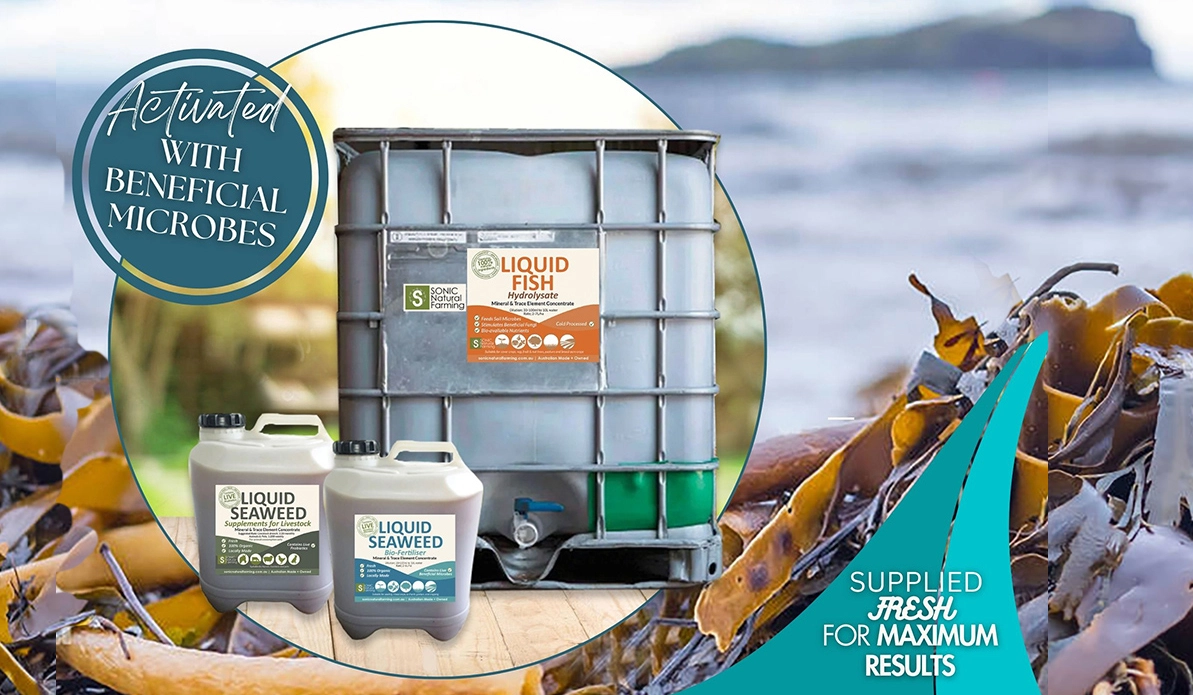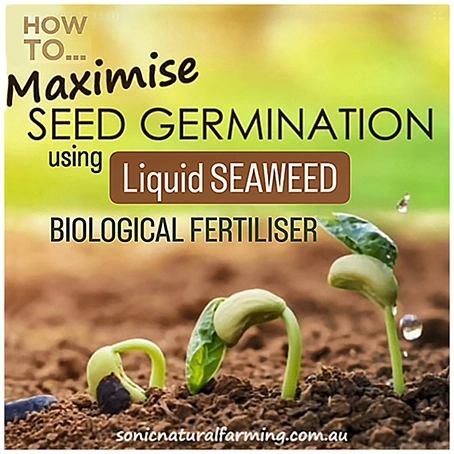

Fish and sea plants, like seaweed, spend its entire life cycle, immersed in this mineral rich bath, absorbing all the nutrients it needs to live, grow, and reproduce. In this article we explore the vital role of the ocean in agriculture, providing mineral rich fish and seaweed for producing fertilisers and feed supplements for livestock.
How the Ocean Contributes to Agriculture
The ocean provides an abundant natural resource of rich minerals, and contains much more than sodium salt; about 84 elements have been detected in ordinary seawater. Minerals from the ocean have been harnessed for centuries and turned into exceptional fertilisers and soil amendments and have been vital in agriculture for building soil health.
1. Fish Protein: Ocean Minerals and Protein for Plants
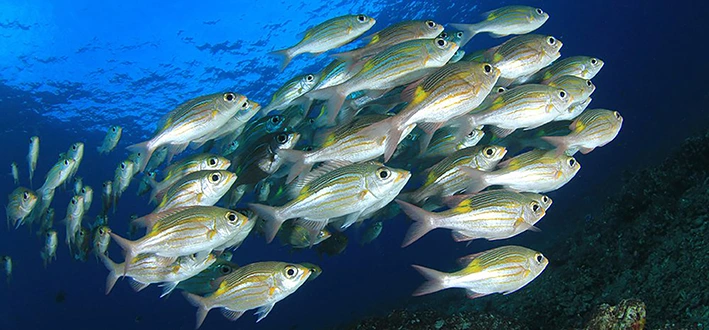
Fish has been feeding millions of humans and animals world-wide for millenia. The discards, or leftovers from the fish food industry, offer a wide range of benefits for soil health and the promotion of healthy plants and trees.
Cold processed Fish Hydrolysate Fertiliser contains trace elements, beneficial oils and naturally balanced minerals, with high levels of organic nitrogen, making it an excellent choice in agriculture for improving soil fertility, plant growth, and for growing nutrient dense food.
Fish hydrolysate fertiliser plays a vital role in agriculture providing organic nitrogen to crops
How are Fish Discards Turned into Fertiliser?
Fish hydrolysate is derived from the process of breaking down fish waste and scraps into a nutrient-rich solution. This biological fertiliser contains essential nutrients such as nitrogen, phosphorus, and potassium, which are vital for plant growth.
In particular, the presence of organic nitrogen in fish hydrolysate makes it an excellent choice for promoting healthy plant development.
Organic nitrogen is derived from organic matter and is released slowly over time, providing a sustained source of nutrients for plants. This slow-release characteristic ensures that plants receive a steady supply of nitrogen without the risk of nutrient burn or leaching.
Liquid Fish Hydrolysate benefits;
Bio-available Nutrients
Firstly, fish hydrolysate provides readily available nutrients to plants in a form that can be easily absorbed, optimising plant strength and growth.
Feeds Beneficial Microbes and Fungi
Secondly, the organic nature of fish hydrolysate enhances soil health by improving its structure and increasing microbial and fungal activity. This results in improved nutrient uptake and overall plant vigor.
Environmentally Friendly
Furthermore, fish hydrolysate serves as an environmentally friendly alternative to synthetic fertilisers. By utilising waste products from the fishing industry, it reduces waste and promotes sustainability.
Source of Protein for Plants
In addition to delivering organic minerals, Fish Hydrolysate also contains proteins that can contribute to soil and plant health. These proteins act as a source of energy for beneficial microbes and fungi in the soil, promoting their growth and activity.
When soil microbes thrive, they enhance nutrient cycling, and their networks improve soil structure, and suppress harmful pathogens
Overall, the ocean plays a vital role in agriculture through the use of organic fish hydrolysate fertiliser as an effective and sustainable choice for promoting healthy plant growth and naturally enhancing soil fertility.
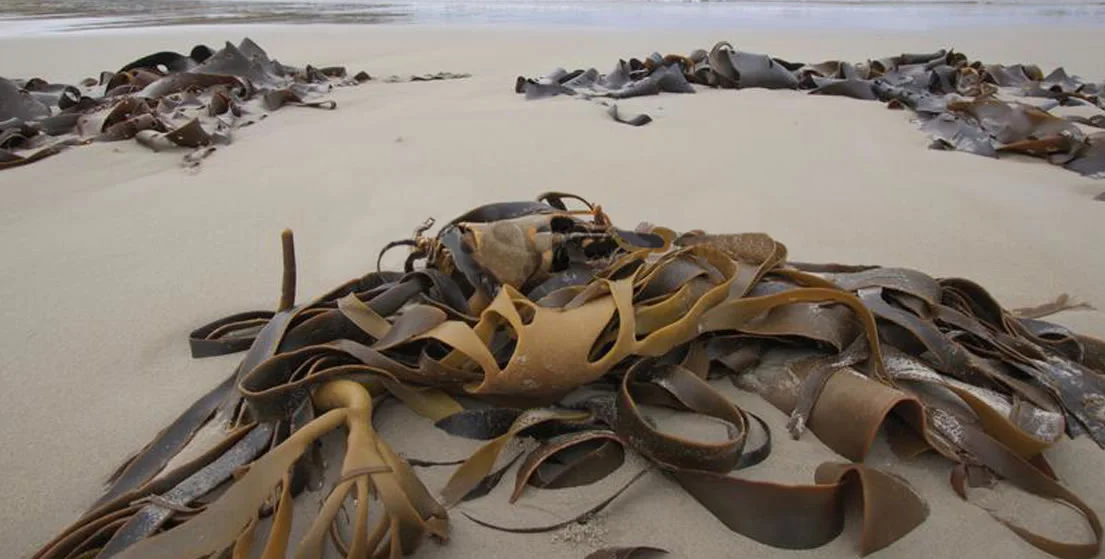
2. Seaweed: Ocean Minerals for Plants and Soil
Alongside the mineral rich source of fish from the sea, seaweed has gained significant attention due to its ability to improve soil health and crop yields while minimising environmental impact.
In recent years the results of scientific research provided evidence that seaweed microelements are considerably higher than in terrestrial plants.
Seaweed provides an excellent source of essential minerals and trace elements. These trace elements include iodine, iron, zinc, manganese, and copper, among others. The unique composition of minerals in seaweed ensures a naturally balanced ratio of minerals reaches the soil and plants.
Biological Fermentation Enhances Ocean Minerals
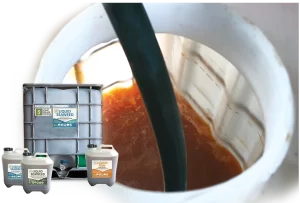
Naturally fermented Seaweed Fertiliser offers a range of benefits due to the way fermentation unlocks the organic minerals and trace elements. This type of liquid fertiliser, also known as liquid seaweed or seaweed biological fertiliser, is produced using a cold fermentation process to liquify the seaweed, making it bio-available.
One of the key advantages of using naturally fermented seaweed fertiliser is its high nutrient content. Seaweed is rich in essential minerals and trace elements that are beneficial for plant growth and development.
The organic nature of this type of fertiliser makes it an environmentally friendly choice for gardeners and farmers and is another way the ocean plays a vital role in agriculture.
Naturally Fermented Seaweed Fertiliser has been found to enhance soil fertility and improve plant resilience against pests and disease
Naturally fermented Liquid seaweed does not contain synthetic minerals, chemicals or harmful additives that can have negative impacts on soil health or water quality. Furthermore, seaweed fertiliser promotes root development, increases nutrient uptake efficiency, and stimulates overall plant growth.
Ocean Minerals Enhanced with Beneficial Biology
Liquid Seaweed Biological Fertiliser is not only known for its nutritional content but also for its microbial qualities that enable dormant beneficial microorganisms in the soil to switch on. These liquid biologicals play a crucial role in maintaining the health and vitality of various soil ecosystems.
Gardeners and farmers can use liquid seaweed biological fertiliser as a foliar spray or apply it directly to the soil. Its easy application method makes it convenient for both small-scale gardening projects as well as larger agricultural operations.
Its effectiveness as a biological fertiliser makes it a popular choice among environmentally conscious individuals and Australian farmers and growers seeking sustainable solutions for their gardening or farming needs.

3. Seaweed: Ocean Minerals for Livestock
Furthermore, seaweed has also proven to be an excellent supplement for livestock. Its balanced, full spectrum of minerals provides animals with essential nutrients necessary for optimal growth and health.
When these minerals are unlocked through fermentation, Probiotic Liquid Seaweed Livestock Feed Supplements help to improve the animals’ digestion, strengthen immune systems, and promote overall well-being.
Studies show Seaweed improves digestion and strengthens immunity in animals
Livestock, receiving regular doses of natural Probiotic Liquid Seaweed Supplements, also fertilise their grazing pastures, adding ocean minerals and trace elements to the soil. This contributes to a healthy eco-system and provides yet another way the ocean plays a vital role in agriculture.
The Benefits of Natural Fermentation
Natural fermentation using beneficial microorganisms, are methods sometimes used in the production of liquid fertilisers and probiotic supplements for livestock. By converting these minerals into soluble forms, through biological fermentation, ensures that the essential nutrients, and other beneficial compounds, are retained in their natural form and in a biologically available state.
Porducts produced through natural fermentation have several advantages;
Higher Concentration of Organic Minerals
Firstly, these products retain a higher concentration of organic nutrients due to minimal loss during production.
Naturally fermented fertilisers enable plants to access a wider range of organic elements for their growth and development
Bio-available Minerals: Easy to Absorb by Plants
Additionally, the retention of nutrients in their natural form allows for better absorption by plants. The organic compounds present in these liquid fertilisers promote soil health by improving microbial activity and nutrient availability. This contributes to enhanced plant growth, increased resistance to diseases and pests, as well as improved overall crop yield.
Environmentally Friendly
Furthermore, the use of natural fermentation and cold processing methods ensures that these liquid fertilisers are environmentally friendly. They have substantially lower carbon footprints compared to chemical alternatives since they are derived from renewable sources like seaweed or fish waste.
Nature’s Generosity
The ocean plays a vital role that not only benefits farms, farmers and our food chain, but contributes to sustainable agriculture through its mineral rich resources.
As we continue to explore the potential of these natural ocean resources, it is evident that nature’s generosity knows no bounds when it comes to providing valuable minerals that support our well-being and nourish the planet.
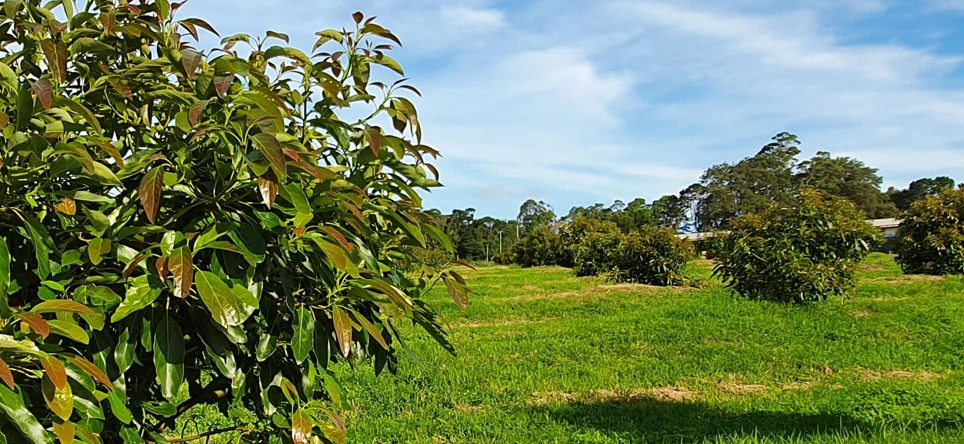
Kilburney Avocado Farm – Regenerative avocado farming using SONIC Fish Hydrolysate and Seaweed Biological Fertiliser. Read Farmer Review

Wilson River Pecans – Certified Organic Pecan Farm using Fish Hydrolysate. Read Review
Disclaimer:
The information in this article is for general guidance and not professional advice—always consider your individual circumstances or consult with a professional before making decisions. For more details, please review our full Disclaimer.

Want to see how we can help you beat the high cost of fertiliser?
COST SAVINGS
“You really can see the difference, just driving up the road. We’re happy, and it has actually saved us a lot of money on extra fertilisers.”
Biological Fertiliser FAQs
Conventional synthetic fertilisers are designed to deliver nutrients rapidly, creating fast and predictable plant responses. When nitrogen, phosphorus, and potassium are applied in synthetic forms, plants often respond with quick greening and a surge in biomass.
Biological fertilisers, on the other hand, work in a fundamentally different way to conventional synthetic inputs. Rather than supplying nutrients in a readily available chemical form, they focus on supporting the living processes within the soil that naturally create fertility over time.
Read article Rethinking Soil Fertility: The True Meaning of Fertiliser
Liquid seaweed extracts, such as Seasol, are usually produced using chemical or heat extraction to concentrate certain compounds. While these products are widely used, the process can reduce some of the natural components of the seaweed. Seaweed biofertiliser, on the other hand, is cold fermented, preserving a wider range of nutrients and natural compounds in a form that supports soil biology and plant uptake.
Read Article – Liquid Seaweed Fertiliser Comparison: Ferment Vs Extract
We service all regions across Australia for both product supply and on-farm production systems. Fresh processed biological fertilisers are delivered nationwide.
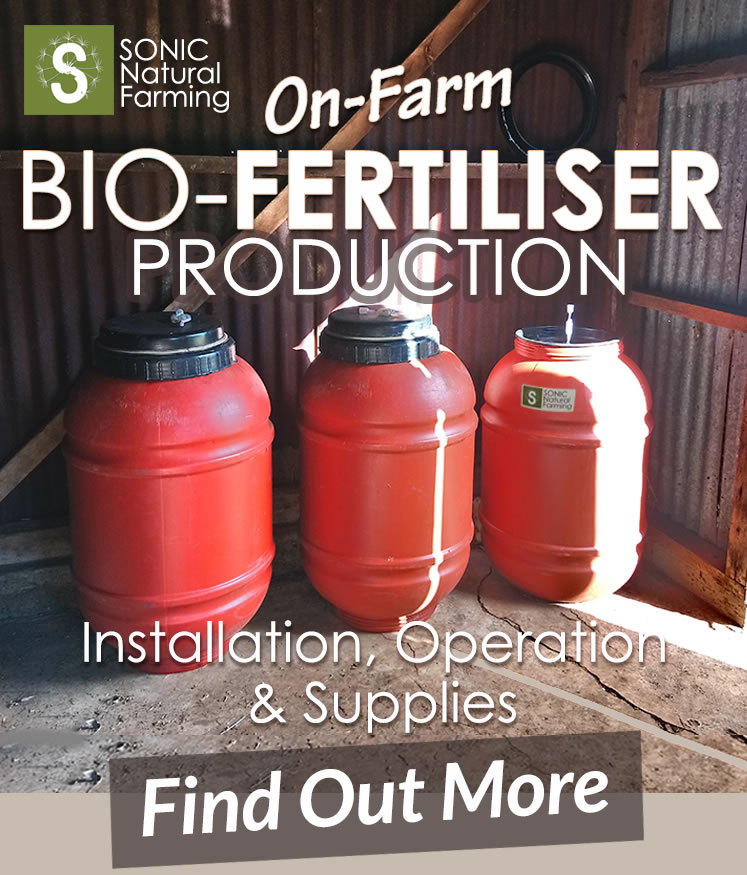
For on-farm systems and training, we work with both local and remote operations. Where in-person visits aren’t practical, we provide live video training and guided setup to ensure you can confidently get your system up and running without a hitch.
We source both fresh and dried fish waste, generated after processing for human consumption, from a network of fish shops and processors handling ocean-caught fish across Australia. By utilising these by-products, we help divert organic waste from landfill and repurpose it into valuable liquid fish hydrolysate biological fertiliser.
Read article Turning Fish Waste Into Premium Hydrolysate Fertiliser
SONIC Biofertiliser Solutions FAQs
SONIC Liquid Fish and Seaweed Biological Fertilisers feed both your plants and your soil, so you get short-term growth support and long-term gains in soil health.
Farmers typically use them to:
- Give plants fast-available nutrients
- Feed and stimulate beneficial soil microbes
- Improve nutrient cycling in the soil
- Strengthen root development and crop resilience
- Build soil structure and long-term fertility
Fish is rich in organic nitrogen and amino acids that drive growth. Seaweed adds trace elements and natural plant compounds that help crops handle stress. Used together, they can cover both what your plants need now and what your soil needs long-term.
See it on a real farm: Simon’s Pasture Improvement Journey →
Read article Top 3 Strategies To Get The Most From Your Biological Fertilisers
It mainly comes down to how much liquid fish and seaweed you use and how hands-on you want to be.
Made-to-order is the better fit if you:
- Use smaller volumes, or are trying biofertiliser for the first time
- Want a finished product delivered, ready to dilute and apply
- Don’t have the time or space to run your own batches
Our liquid fish and seaweed is made-to-order, priced by volume – $2.30–3.90/L, with a 180L minimum per product.
Making your own is the better fit if you:
- Want the lowest cost per litre (from $1.00–1.20/L after your first batch training)
- Want to cut freight costs and rely less on outside supply
- Like the idea of producing fresh biological products on your own farm
Starter packages start from $1,885 for a 540L system, with 1:1 training and VIP support through your first three batches.
Not sure? Book a free strategy call and we’ll help you work out which option saves you more.
Book a free strategy call → | Calculate Your Biofertiliser Usage →
Yes. SONIC biofertilisers are 100% natural and can be added to most farming programs, whether you’re fully regenerative or just starting to cut back on synthetic inputs.
Works well with:
- Other natural inputs, such as compost, manures, biodynamic preparations and natural amendments
- Seed treatments, soil drenches and foliar sprays
- Regenerative management practices
Keep separate from:
- Synthetic fertilisers, urea and chemical-based products. Mixing them in the same tank reduces the benefit, because these products can harm the beneficial microbes in your biofertiliser.
Yes. We supply farms across most regions of Australia, from our base in Dorrigo, NSW and Central Coast, NSW.
Made-to-Order Biofertiliser:
Freight is quoted to your farm based on your location and order size. Because you’re shipping finished liquid, freight can be a big part of the total cost, especially for remote farms or large volumes.
DIY Biofertiliser Systems:
We ship dried raw ingredients rather than liquid, which is much lighter and cheaper to freight. Containers and pumps can usually be bought locally, and training can be done by live video, so wherever your farm is, you can get started.
Your quote will confirm freight costs and delivery timing for your area.

BIOLOGICAL SOLUTIONS
Ocean Nutrition for Soil, Crops & Livestock
Fish Hydrolysate | Liquid Seaweed