
Liquid fish hydrolysate is an effective tool for orchardists looking to build resilience in their crops. As a natural biostimulant, fish hydrolysate helps plants withstand environmental stresses and bolster their overall health. By applying this nutrient-rich solution, growers can support optimal fruit development and enhance the long-term viability of their orchards.
Cultivating resilience in orchards is a common goal for farmers following long-term visions. As the resilience grows, the less the farmer has to work, and the more they can allow for the natural eco-system to function independantly.
For crops to withstand and recover from environmental stresses such as drought, pests, and disease, the number one key, farmers are discovering, is building soil biology and using soil amendments that support, rather than harm, our helpful soil microorganisms.
A Pecan Farm with Resilience
Geoff and Debbie Bugden, from Wilson River Pecans have been pecan nut growers for 25 years. As successful commercial organic pecan growers, since 2008, they have seen many changes in Australia’s environmental conditions, and had many years of experience and learning, applying natural farming methods.
We caught up with Geoff recently at his farm in Boat Harbour near Lismore, NSW, just after he had completed nearly 2 seasons of applying a holistic spray regime using Fish Hydrolysate on his Orchard, and we were keen to find out his results!
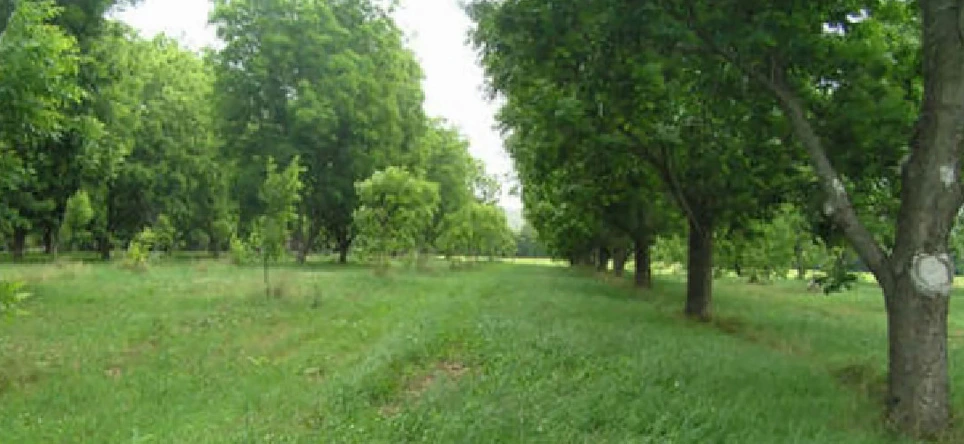
Wilson River Pecans, near Lismore, NSW Australia, (Above image).
Taking the Holistic Approach
Geoff’s spray regime consisted of applying 1000 Litres of Fish Hydrolysate to his 10,000 pecan trees, once a month. After the leaf dropped, another strong dilution of Fish Hydrolysate was applied, coating the trunk and branches in beneficial oils, and becoming what Geoff described as a natural protective barrier to pathogens.
Alongside applying natural Liquid Fish Hydrolysate, Geoff followed natural farming practices, like multi-species cover cropping and moving his cattle to allow them to graze the orchards.
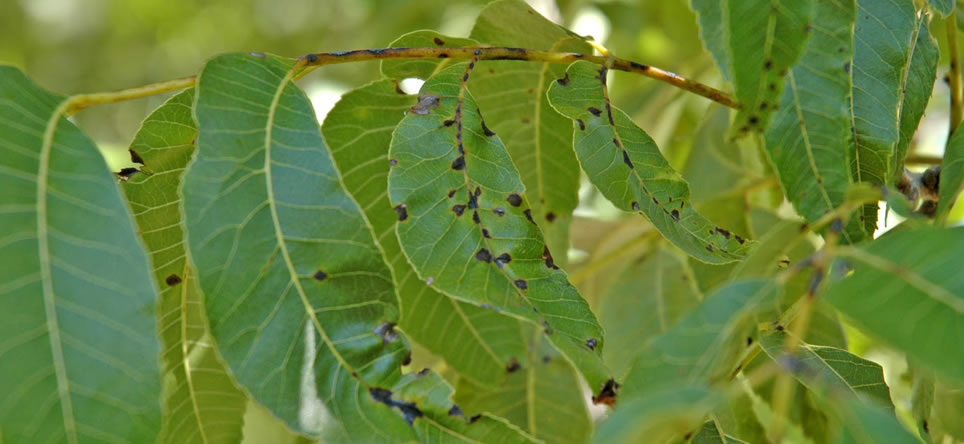
Annually, Geoff has his leaf tested for black spot, or anthracnose, a problematic fungal disease in pecan farming. After completing over 12 months of foliar spraying, in 2020, and having their regular leaf analysis, Geoffs said, “This year our leaf remained ‘pristine’.
“This year our leaf remained pristine” says Geoff
Geoff attributes the result to management practices, natural inputs, and the powerful “Microbial fish spray.” that he is applying to the pecan trees. Using a combination of cover cropping, bringing diversity to the ground around the trees, allowing animals in, to help with fertilisation, and by using natural inputs, all contribute to creating a healthy eco-system.
“We have had the best year, with the most tree stress”
The use of a holistic approach has resulted in a pristine leaf analysis for Wilson River Pecans. This indicates that the trees are receiving optimal nutrition and are thriving under this environmentally friendly farming method.
Geoff and Debbie Bugden’s commitment to holistic orchard farming showcases their dedication to sustainable agriculture practices while producing high-quality organic pecan nuts. Their success serves as an inspiration for other farmers looking to adopt similar methods in their own operations.
How does Fish Hydrolysate work?
Liquid Fish Hydrolysate is derived from a cold fermentation breakdown of fish waste and contains essential nutrients such as nitrogen, phosphorus, and potassium. These nutrients are readily available to plants, promoting healthy growth and development.
Firstly, it provides an organic source of nutrients that supports the growth of beneficial microorganisms in the soil. This helps improve soil structure and fertility over time.
Additionally, Fish Hydrolysate contains trace elements like calcium, magnesium, and sulfur that are vital for plant health.
One of the unique ways naturally fermented Fish Hydrolysate works, according to Geoff, is the fish oils stick to the leaf, trunk and branches of the trees, coating them with active beneficial microbes. When pathogens land on the tree, the beneficial microbes outcompete them for food and space.
Furthermore, Liquid Fish Hydrolysate is an environmentally friendly option for farmers committed to sustainable practices. It reduces reliance on synthetic fertilisers which can contribute to water pollution and harm beneficial organisms in the ecosystem.
Fungal Support
Cold-processed Fish Hydrolysate is a well known food source for beneficial fungi.
Trees and orchards have been shown to be more resilient when they have mycorrhizal fungal networks under the ground. Fungi are crucial for forming these underground networks that the biology uses to perform nutrient cycling, plant immunity, and communication between microorganisms (like a microbial internet).
Biologically active Liquid Fish Hydrolysate Fertiliser delivers organic nitrogen, proteins, beneficial oils and bio-available minerals and trace elements, and SONIC Natural Farming produce 100% natural Fish Hydrolysate with no additives, fillers or preservatives.
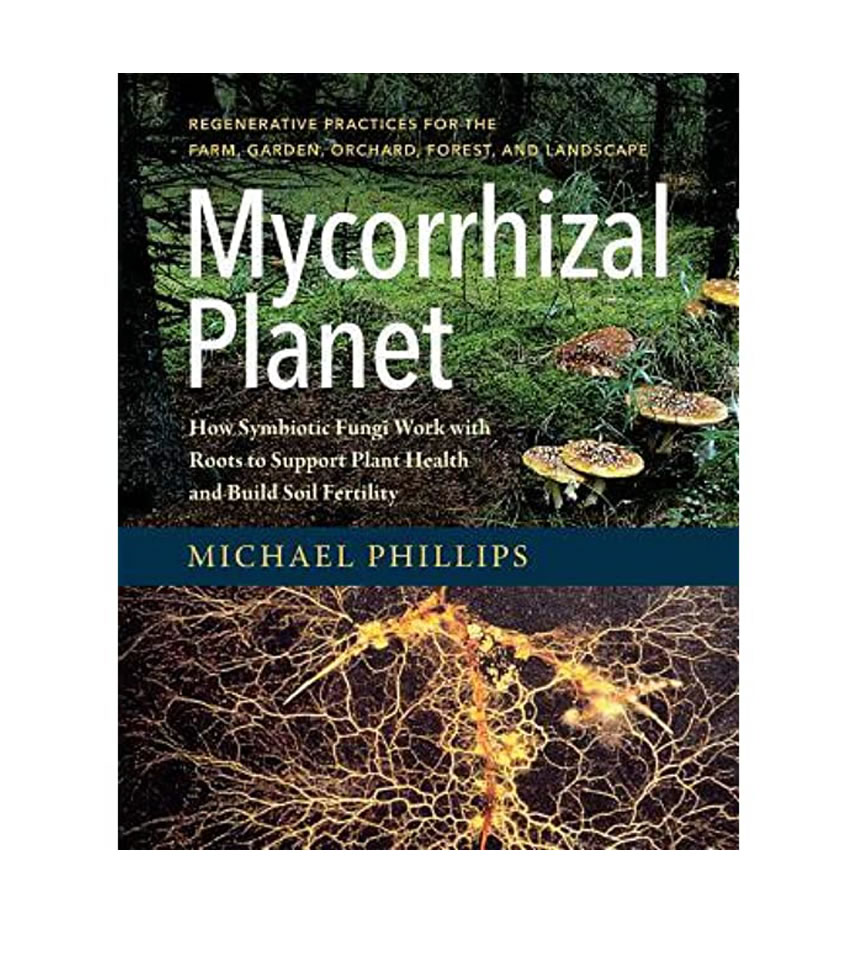
Geoff learned the techniques and holistic spray regimes that he applied on his organic pecan farm from reading about the experience of Michael Phillips, and the author’s success growing organic apples. To learn about Geoff’s Holistic spray regime he recommends reading the book Mycorrhizal Planet by Michael Phillips.