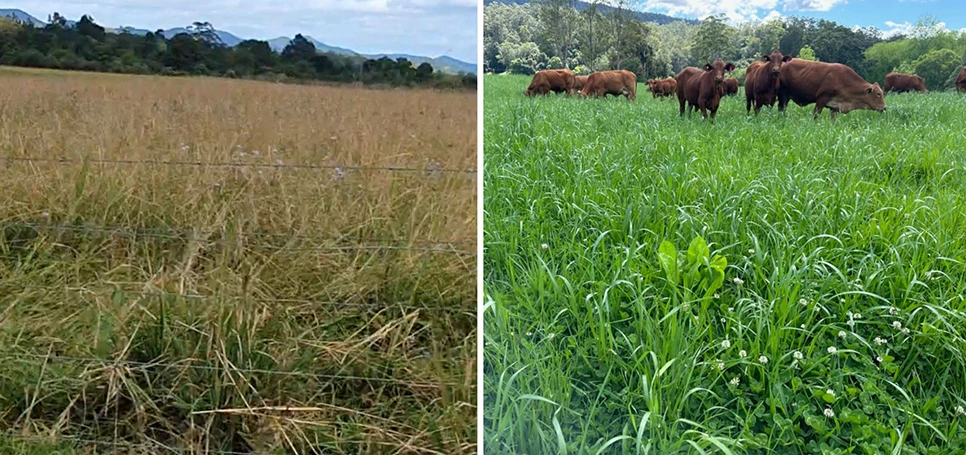
True soil fertility doesn’t come from synthetic fertilisers—it comes from how nutrients are cycled and made available through living soil biology. Fertile soil is a living system. When that system is working properly, it can store, release, and cycle nutrients far...
When we talk about fertiliser today, most of the conversation quickly turns to products, NPK, and application rates. But the original meaning of the word ‘fertiliser’ points in a very different direction—one that’s worth revisiting, especially in the...
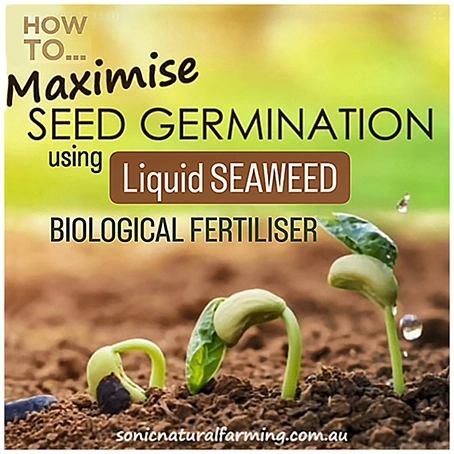
What Is Seaweed Biofertiliser? Seaweed biofertiliser is a naturally fermented liquid fertiliser and soil conditioner made from Australian bull kelp—a fast-growing marine plant rich in essential minerals, trace elements, and natural growth hormones. Unlike synthetic...
Nutrient-dense food isn’t just about the amount of nutrients a food contains, but also the quality and bioavailability of those nutrients. Let’s dive deeper into what “real nutrient-dense food” means, particularly in the context of foods grown...
Water quality is a critical factor that can make or break the success of your fertiliser applications on the farm. Whether you’re using organic fertilisers like compost, or synthetic options, the quality of your water can directly impact nutrient availability, soil...
Australia has a diverse landscapes giving rise to a wide variety of soil types, each with unique challenges and requirements for optimal agricultural productivity. Understanding how to tailor organic fertilisers to the specific needs of your soil type is key to...
No-till farming is fast becoming a popular choice among small mixed crop growers, and for good reason. This sustainable farming technique offers numerous benefits that improve soil health, boost water retention, and streamline farm operations. If you’re tired...
Iodine is an essential trace element that plays a critical role in both soil health and livestock wellbeing. Despite its importance, many farmers overlook iodine deficiencies, which can lead to a host of problems, including stunted growth in crops and reproductive...
Using effective agricultural water management techniques is crucial for sustaining productivity and ensuring the long-term viability of farming operations. In Australia, where water scarcity and unpredictable climate conditions pose significant challenges,...
True soil fertility doesn’t come from synthetic fertilisers—it comes from how nutrients are cycled and made available through living soil biology. Fertile soil is a living system. When that system is working properly, it can store, release, and cycle nutrients far...
When we talk about fertiliser today, most of the conversation quickly turns to products, NPK, and application rates. But the original meaning of the word ‘fertiliser’ points in a very different direction—one that’s worth revisiting, especially in the...
What Is Seaweed Biofertiliser? Seaweed biofertiliser is a naturally fermented liquid fertiliser and soil conditioner made from Australian bull kelp—a fast-growing marine plant rich in essential minerals, trace elements, and natural growth hormones. Unlike synthetic...
Nutrient-dense food isn’t just about the amount of nutrients a food contains, but also the quality and bioavailability of those nutrients. Let’s dive deeper into what “real nutrient-dense food” means, particularly in the context of foods grown...
Water quality is a critical factor that can make or break the success of your fertiliser applications on the farm. Whether you’re using organic fertilisers like compost, or synthetic options, the quality of your water can directly impact nutrient availability, soil...
Australia has a diverse landscapes giving rise to a wide variety of soil types, each with unique challenges and requirements for optimal agricultural productivity. Understanding how to tailor organic fertilisers to the specific needs of your soil type is key to...
No-till farming is fast becoming a popular choice among small mixed crop growers, and for good reason. This sustainable farming technique offers numerous benefits that improve soil health, boost water retention, and streamline farm operations. If you’re tired...
Iodine is an essential trace element that plays a critical role in both soil health and livestock wellbeing. Despite its importance, many farmers overlook iodine deficiencies, which can lead to a host of problems, including stunted growth in crops and reproductive...
Using effective agricultural water management techniques is crucial for sustaining productivity and ensuring the long-term viability of farming operations. In Australia, where water scarcity and unpredictable climate conditions pose significant challenges,...