Regenerative Small Mixed Crop Farming in Australia

Biological Fertilisers can play a key role in boosting and maintaining soil fertility throughout fast crop rotations in regenerative small mixed crop farming. By embracing regenerative practices, and utilising natural crop nutrients, growers can produce nutrient-dense food while ensuring the long-term health of their land.

Organic Nutrition for Seeds, Soil and Plants

Seaweed and Fish Biological Fertilisers, made from natural ingredients, help to replenish the soil’s essential nutrients, improve soil structure, and support the diverse microbial life that is essential for healthy, productive ecosystems.

Biological inputs work in harmony with the natural cycles of the land, promoting a thriving, self-sustaining soil ecosystem

For small mixed crop growers, the integration of Liquid Fish and Seaweed Biological Fertilisers into their regenerative practices is particularly impactful.

With a diversity of crops, combined with the nurturing effects of these natural soil amendments, growers can create nutrient-dense foods while also building resilience in the land.

This approach not only benefits the growers, and their customers, but also contributes to the overall health and sustainability of the local environment.

Fish Hydrolysate for Plants

Plant Diversity for Building Biology in the Soil

By growing complementary crops side-by-side, soil fertility is maintained more effectively, with each crop contributing to the overall productivity of the system. This can lead to higher yields and a more diverse array of nutrient-dense foods.

Through the natural interactions between different plant species, the soil’s fertility is enhanced, and pests are more effectively managed

Regenerative small mixed crop farmers have been at the forefront of this approach, demonstrating the potential for creating thriving, resilient agricultural ecosystems.

By embracing the principles of regenerative farming, these farmers are able to cultivate a diverse range of crops, promote biodiversity, and ultimately, regenerate their soil and produce genuine nutrient-dense food.
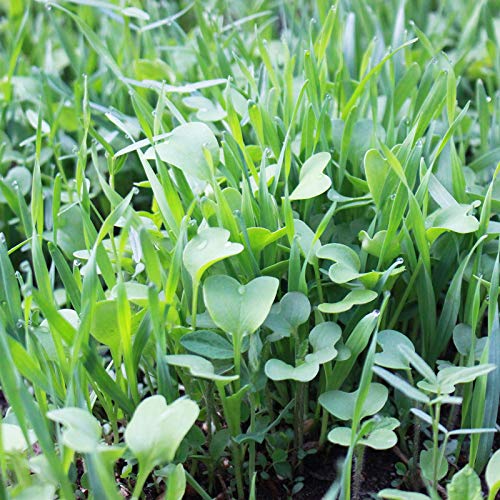
Nutrient dense food

Biological Support through the Entire Growth Cycle

Providing plants with the right nutrients and support at every stage of the growth cycle is crucial for producing nutrient-dense food. One often overlooked but vital aspect is seed treatment with Biological Fertilisers.

Seed treatment with specialised biological products can give young plants a strong start by supplying essential nutrients and beneficial microbes. This helps establish robust root systems and overall plant health from the very beginning.

Using biological seed treatments as part of a comprehensive nutrient management plan supports the plant’s natural growth processes throughout its lifecycle. This approach ensures the delivery of all the necessary building blocks for thriving, nutrient-rich yields.

Liquid Seaweed Biofertiliser

One key benefit of using Liquid Seaweed Biofertiliser is its bio-available nutrient content. Seaweed is packed with essential minerals, including nitrogen, phosphorus, potassium, and trace elements such as iron, zinc, and magnesium.

These nutrients are vital for healthy plant development and are readily absorbed by plants, as a biofertiliser, promoting robust root growth, improved flowering and fruiting, and overall plant vigor.

Alongside containing essential elements, Liquid Seaweed Biofertiliser also contains micronutrients such as iron, copper, zinc, molybdenum, boron, manganese and cobalt. 

Plants use tiny amounts of the micronutrients, often measured in parts per million, which is why Liquid Seaweed Biofertiliser can be highly effective in delivering these micronutrients to crops.

Due to a variety of beneficial compounds such as cytokinins, auxins, gibberellins, and betaines, Liquid Seaweed Biofertiliser can positively impact photosynthesis by stimulating the growth of chlorophyll pigments responsible for capturing light. This results in increased absorption of sunlight and more efficient conversion of carbon dioxide into carbohydrates.

Liquid Fish Biofertiliser

Liquid Fish Biofertiliser is high in organic nutrient content. It contains a balanced blend of macronutrients such as nitrogen, phosphorus, and potassium, as well as micronutrients like calcium, magnesium, and iron. These nutrients are readily available to plants in a form that is easily absorbed through their roots.

One of the key benefits of using Liquid Fish Biofertiliser, hydrolysate, is its ability to promote the growth of soil fungi. Fungi play a crucial role in breaking down organic matter in the soil, releasing essential nutrients that are then made available to plants. By providing a food source for these fungi, Liquid Fish helps create an environment where they can thrive and perform their vital functions.

Furthermore, Liquid Fish Biofertiliser is an environmentally friendly option as it utilises discarded products from the fishing industry that would otherwise go to waste or be processed into low-value products. By recycling these byproducts into an effective fertiliser solution, we can reduce waste and promote sustainable practices in agriculture.

liquid-seaweed-pro3

Supplementing animals with broad spectrum minerals can help stimulate metabolism and improve feed efficiency.  Seaweed has also been shown to assist with daily weight gain and body condition for stock grazing on native and improved pastures.

100% natural Liquid Seaweed Probiotic Supplement is suitable for all farm animals, including cattle, sheep, horses, goats, alpacas, pigs, poultry, and pets. Use regularly or at times of the year when feed quality is poor, or there are higher demands on the animal such as calving, foaling, or lambing.  Administer by adding to feed or water, or undiluted as a drench.  It can also be used as an inoculant on hay, as a grain soak, or sprayed over pastures.

Liquid Seaweed Probiotic Feed Supplement is made from renewable resources of seaweed that are harvested without causing harm to marine ecosystems. Benefits for animals include improved nutrition, enhanced immune function, better digestibility and reduced stress levels.

How to Use Biological Fertiliser in Small Mixed Crop Farming

SONIC Natural Farming Biological Fertilisers are concentrate products requiring dilution.  Adjust rate to suit growth stage.  Use lower rate for early growth and higher for advanced crop stages.

Seed Inoculant: 5L per 1 tonne of seed
Mixed Crops: 3-5L/ha every 7-14 days from emergence/transplant
Mixed Crops (advanced): 3-8L+/ha

Liquid Seaweed Biofertiliser
Biological Fertilisers Australia

Quick Quotes.  No Hassle.

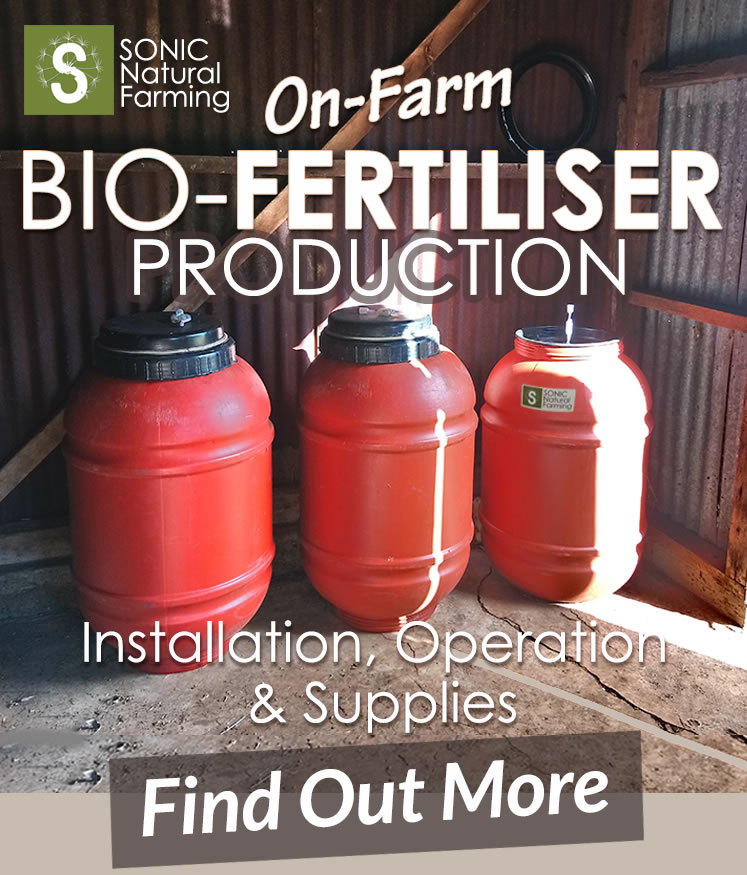
Biological Fertiliser Production

3 Ways To Build Soil Biology for Optimal Crop Resilience

Soil biology plays a crucial role in the health and productivity of crops. By understanding how to build soil biology, farmers can enhance crop...

4 Good Reasons To Feed Soil Microbes All Year Round

Soil microbes play a vital role in driving crop performance, enhancing nutrient availability, and supporting long-term soil health. Even when conditions aren’t perfect, these microscopic organisms quietly influence the soil’s ecosystem.

7 Key Benefits of Seaweed Fertiliser for Crop Health

Seaweed can improve soil quality, drought resistance, cold resistance, growth promotion, pest resistance, yield, and it’s 100% natural!

Adjusting Soil pH On Australian Farms (And Why Microbes Matter)

Soil acidity is one of the most persistent challenges facing Australian farmers. National soil assessments have long shown that many...

Agroforestry: Getting the Balance Right on Your Australian Farm

With the right management and a balanced approach, agroforestry can give your farm long-term benefits, reducing operational costs while contributing to a more sustainable farming future.

Beyond Synthetic Fertilisers: How To Recover Soil Health Naturally

True soil fertility doesn’t come from synthetic fertilisers—it comes from how nutrients are cycled and made available through living soil...

Biological Seed Treatment: Benefits and Methods

Biological seed treatment is a 100% natural approach that involves the application of active ingredients such as beneficial fungi and bacteria.

How To Boost Seed Germination using Biological Fertiliser

The success of crop production largely depends on the proper conditions for seed germination, ensuring that the seeds sprout and establish...

How To Cultivate Resilient Orchards Using Fish Hydrolysate

Liquid fish hydrolysate is an effective tool for orchardists looking to build resilience in their crops. As a natural biostimulant, fish...

How to Increase Soil Fertility with Mixed-Species Planting

Why is Plant Diversity Beneficial to Soil Fertility? Plant diversity is essential for a thriving ecosystem. When a variety of plant species are...

How Water Quality Can Limit Fertiliser Efficiency on Australian Farms

Water quality is a critical factor that can make or break the success of your fertiliser applications on the farm.  Whether you’re using...

Regenerative Agriculture Australia: Benefits and Best Practices

Regenerative agriculture is an approach to farming and land management that focuses on rebuilding soil health and restoring degraded land. This...

Rethinking Soil Fertility: The True Meaning of Fertiliser

When we talk about fertiliser today, most of the conversation quickly turns to products, NPK, and application rates.  But the original meaning...

Seaweed Biofertiliser Uses In Regenerative Farming Systems, Australia

Discover how Australian regenerative farmers are using seaweed biofertiliser as a seed inoculant, foliar spray, and soil drench to feed soil microbes, boost crop resilience, and build healthier, more productive systems—naturally.

Soil Microbes: Nature’s Solution to Cutting Costs on Aussie Farms

If you're looking to reduce costs on the farm and boost your soil health at the same time, then focusing on soil microbes might just be the...

Tailoring Organic Fertilisers for Different Soil Types in Australia

Australia has a diverse landscapes giving rise to a wide variety of soil types, each with unique challenges and requirements for optimal...

The 7 Most Cost-Effective Soil Regeneration Strategies, Australia

Soil fertility is the foundation of a thriving garden or farm, yet many overlook the delicate balance required to maintain it. Imagine your...

Top 10 Strategies for Efficient Water Management on Australian Farms

Effective agricultural water management is crucial for sustaining productivity and ensuring the long-term viability of farming operations. In...

Benefits of Interplanting Small Mixed Crops

Discover 5 benefits of interplanting small crops like leafy greens, herbs and vegetables in the same garden using open-pollinated seeds. 1. ...

Comfrey: How to Use in the Garden and on the Farm

Comfrey, Symphytum officinale, a versatile plant known for its remarkable properties, probably has the widest range of uses in a permaculture...

Heat Stress In Plants: Prevention and Recovery

When plants are exposed to periods of high heat stress, it can have detrimental effects on their growth and overall health. However, one...

How To Get Nutrient Density From Your Food

These days you don't have to be just a consumer to shop at the supermarket, you have to be a scientist.  How did we create such a dependence on...

How To Grow Your Own Organic Garlic in Australia

To grow organic garlic in Australia requires a bit of planning. By following the right steps, however, you can cultivate a healthy crop of...

How to Make Organic Compost for your Garden and Farm

Discover how to make organic compost to enhance soil health, reduce waste, and promote nutrient-rich plant growth.  Find out the numerous...

How to Source Nutrient-Dense Food on a Budget

Nutrient-dense food isn't just about the amount of nutrients a food contains, but also the quality and bioavailability of those nutrients. ...

Key Benefits Of Using Liquid Seaweed Fertiliser for Plants

Liquid Seaweed Fertiliser has gained popularity among gardeners and farmers due to its numerous benefits for plants. Derived from mineral rich...

Lacto-Fermentation Vs Vinegar Pickling

Lacto-fermentation and vinegar pickling are two popular methods of food preservation that have been used for centuries. While they both involve...

Liquid Seaweed Fertiliser Comparison: Ferment vs Extract

Liquid seaweed fertiliser has gained significant popularity in sustainable agriculture due to their natural, nutrient-rich properties that...

Nutrient-Dense Foods: The Secret to Eating Less and Getting More

In today’s fast-paced world, it’s easy to fall into the trap of overeating, often driven by cravings, poor food choices, or the sheer abundance...

Reducing Mould and Algae Growth on Microgreens

The process of seed germination is crucial for successful plant growth. In this section, we will explore the impact of using Biological Seaweed...

The Gut-Soil Connection: Why Soil Microbes Matter for Your Health

In this article we are unveiling the intriguing link between soil microbes and human gut health by the role beneficial soil microbes play in...

Why Nutrient-Dense Food Is Important For Your Health

Discover the key to boosting energy, and overall wellbeing through a nutritious diet.  Nutrient dense food is grown in fertile soil and is not...
Australia Made and Owned

LIQUID FISH HYDROLYSATE BIOFERTILISER

Supercharge your Soil Fertility and Increase Fungal Biomass

LIQUID SEAWEED BIOLOGICAL FERTILISER

Nourish Your Crops for Strong Root Growth and Nutrient-Rich Harvests 

LIQUID SEAWEED PROBIOTIC FOR LIVESTOCK

Support Your Stock’s Digestion for Optimal Feed Efficiency

Call our friendly support team

icon_phone icon  0423 139 578