
Building soil biology is a crucial aspect of sustainable agriculture and gardening practices. By encouraging the return of microbial life and replenishing the soil food web, we can create a self-sufficient network that benefits plant health and overall ecosystem balance.
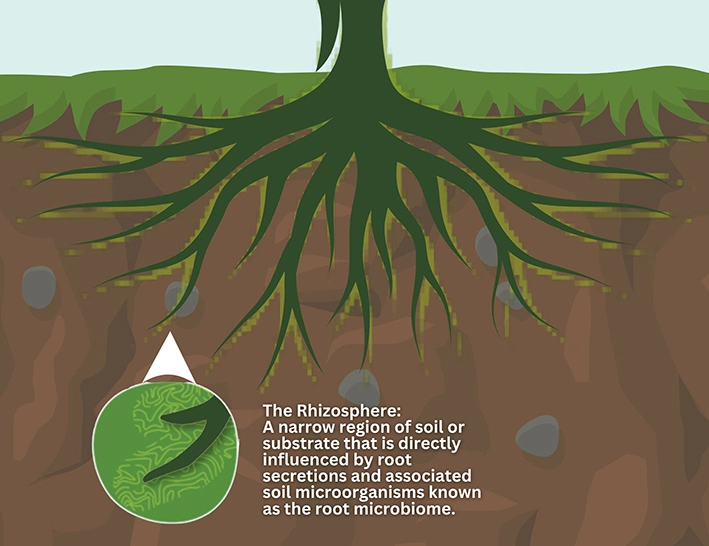
Soil microbes play a vital role in nutrient cycling, organic matter decomposition, and disease suppression. They break down organic materials into simpler forms that plants can readily absorb, ensuring efficient nutrient uptake. Additionally, certain microbes have symbiotic relationships with plants, aiding in nitrogen fixation or enhancing nutrient availability.
Supporting Soil Life
Soil life refers to the intricate network of organisms that interact with one another in the soil ecosystem. It includes bacteria, fungi, protozoa, nematodes, earthworms, and other organisms. These organisms feed on each other or on organic matter directly, contributing to nutrient cycling and maintaining soil structure.
To build soil biology effectively, it is essential to minimise disturbances such as excessive tilling or chemical inputs that can harm microbial populations. Instead, practices like cover cropping, crop rotation, composting, and using organic amendments can help nourish and diversify the soil food web.
By fostering a healthy soil biology system through these practices, we create an environment where beneficial microbes thrive. This promotes better plant growth and resilience to pests and diseases while reducing the need for synthetic fertilisers or pesticides.
Here are 5 natural farming methods that you can use to improve your soil health for long-term productivity and profitability;
1. Use Mulch as a Ground Cover
Depending on your farm type, mulch used as a ground cover is important for maintaining soil moisture and to protect and help increase beneficial microbe populations in the soil.
By applying your own mulch, you can not only save money but also ensure that the mulch is free from any harmful chemicals or contaminants.
To grow and apply your own mulch on the farm may include growing your own hay, collecting leaves, grass clippings, wood chips, or producing your own compost. These materials might be readily available on your farm or can be sourced locally.
The thickness of the mulch layer depends on various factors such as climate conditions and soil type but generally ranges from 2-4 inches.
As time passes, the organic material will break down and decompose into nutrient-rich matter that feeds soil microbes. This decomposition process enhances soil fertility while also improving moisture retention by reducing evaporation.
Many plants make good mulch such as lemongrass, turmeric leaves, arrowroot leaves, banana leaves, and pigeon pea branches. Stomping or crimping cover crops is another option for creating a ‘living’ mulch layer.
2. Plant Multi-Species Cover Crops
Multi-species cover crops have been shown to produce more free-living nitrogen than any other method.
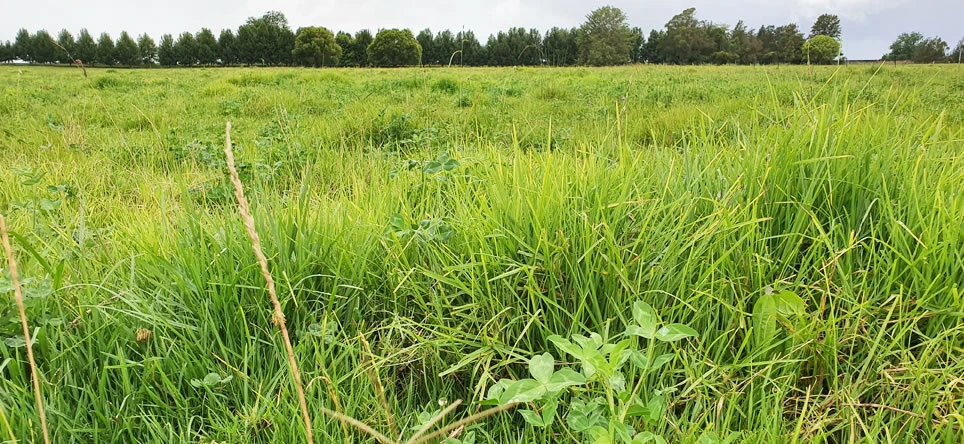
Keeping bare ground covered, with multi-species cover crops, helps feed the soil, which is key to soil building.
Microbes, just like plants, work better in teams, so for maximum results, plant a minimum of 4 different plant families. Some may include; faba beans, chickory, chickpeas, proso millet, foxtail millet, cowpea, soybean, turnip oilseed radish, millet, sunflower, clover, alfalfa, plantain, linseed, brassicas and rye.
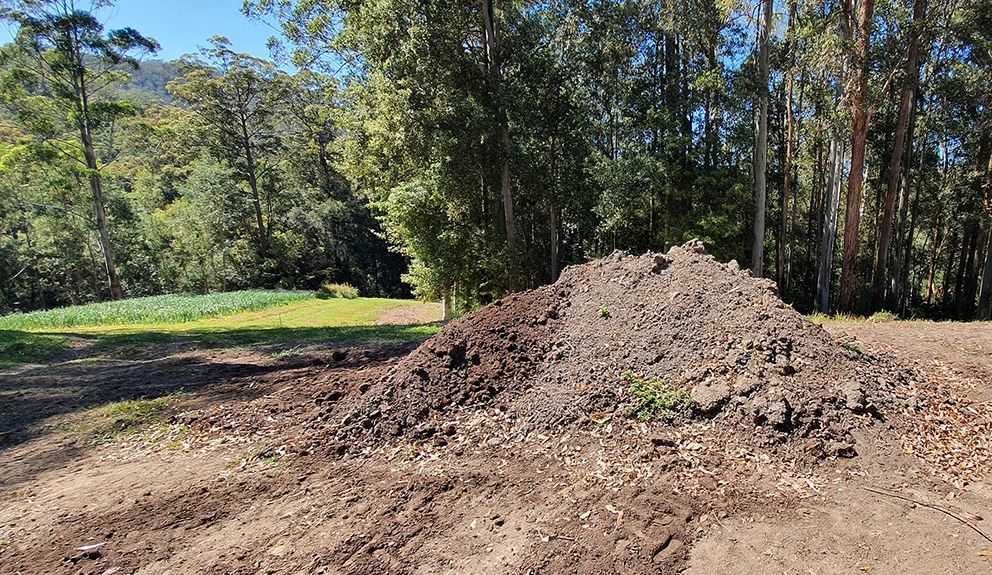
Mirrum Creek Organics composting process for use on growing organic garlic, ginger, turmeric and lemongrass.
3. Make Soil through Composting
Composting can create big savings for some farms, particularly market gardeners. Making your own soil can be cost effective and involves collecting raw organic material like manure, leaves, organic and garden matter.
There are a number of different composting methods. Checkout the Composting Tips and Methods we use for producing organic, nutrient dense soil.
4. Encourage Biological Networks in the Soil
Soil microbes communicate to each other through ‘Quorum Sensing’. This involves a minimum number of ‘members’ that have to be present in order for a decision to be made, or a task to be accomplished.
In the soil, Quorum Sensing (QS) refers to a density dependent behaviour of microbes for example, when a minimum density of microbes reaches a required threshold, they can switch genes on and off. Every species has its own unique signal. When the signals reach a critical level, they regulate gene expression in the microbial population and/or in the plant or animal host.
Encouraging biological networks in the soil can be achieved by implementing minimal tillage and compaction on the ground as well as by giving soil microbes what they need; food, shelter and water.

5. Apply ‘Living’ Biological Fertilisers
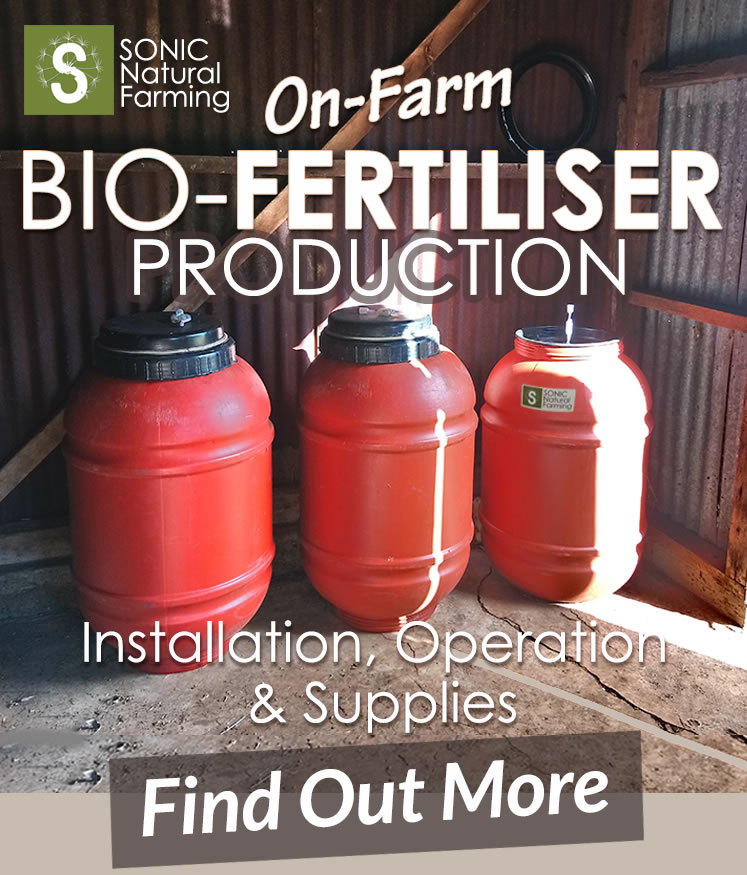
A 100% natural way to fast-track soil biology is to activate beneficial microbe populations in the soil using cold processed Biological Fertilisers.
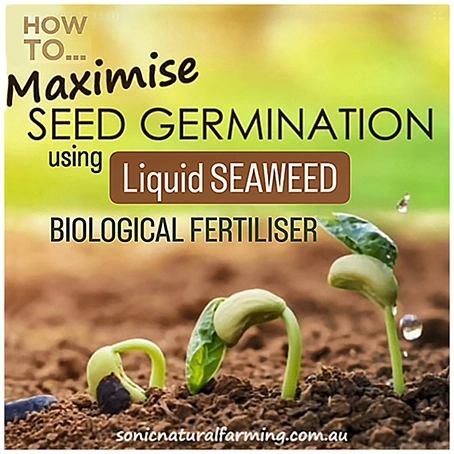
Biological Fertiliser, such as Fish Hydrolysate and Seaweed Biological Fertiliser, activate and feed beneficial microbes in the soil. They also deliver bio-available minerals and trace elements that are easily taken up by plants and animals.
Biological Fertilisers are made using a natural fermentation process, using Biological Starter Cultures. When Biological Fertiliser is added to the soil, dormant microbes, already present in the soil, recognise more of ‘themselves’, and realise they are safe and supported enough to become active. And, if the conditions are right, they all switch on (quorum sensing).
Overall, best farming practices include low to no tillage, and sustaining ground cover in the form of mulch or by implementing multi-species cover crops. Cover crops, using Biological Fertilisers when seeding, and as a follow up spray, is a cost effective and regenerative way to fast-track soil biology, creating enhanced productivity and increased profit.
In conclusion, building soil biology involves nurturing the presence of diverse microbial life within the soil ecosystem. By doing so, we enhance nutrient availability for plants while fostering a self-sustaining network that contributes to long-term agricultural sustainability.
Disclaimer:
The information in this article is for general guidance and not professional advice—always consider your individual circumstances or consult with a professional before making decisions. For more details, please review our full Disclaimer.

BIOLOGICAL FERTILISER
SOLUTIONS
DIY Systems and Bulk Supplies