
Resource Hub
Welcome to our Regenerative Farming Resource Hub, created to help Australian farmers understand, implement, and succeed with regenerative agriculture practices. Whether you’re just beginning to explore regenerative farming or looking to expand existing practices on your property, this hub provides practical information, trusted resources, and real-world insights to support your journey.
Regenerative Farming Solutions
Beyond Synthetic Fertilisers: How To Restore Soil Health Naturally
Rethinking Soil Fertility: The True Meaning of Fertiliser
Adjusting Soil pH On Australian Farms (And Why Microbes Matter)
4 Good Reasons To Feed Soil Microbes All Year Round
Soil microbes play a vital role in driving crop performance, enhancing nutrient availability, and supporting long-term soil health. Even when conditions aren’t perfect, these microscopic organisms quietly influence the soil’s ecosystem.
Seaweed Biofertiliser Uses In Regenerative Farming Systems, Australia
Discover how Australian regenerative farmers are using seaweed biofertiliser as a seed inoculant, foliar spray, and soil drench to feed soil microbes, boost crop resilience, and build healthier, more productive systems—naturally.
Soil Microbes: Nature’s Solution to Cutting Costs on Aussie Farms
Agroforestry: Getting the Balance Right on Your Australian Farm
With the right management and a balanced approach, agroforestry can give your farm long-term benefits, reducing operational costs while contributing to a more sustainable farming future.
How Water Quality Can Limit Fertiliser Efficiency on Australian Farms
Tailoring Organic Fertilisers for Different Soil Types in Australia
Top 10 Strategies for Efficient Water Management on Australian Farms
Top 7 Time-Tested Organic Fertilisers for Any Australian Farm
Biological Seed Treatment: Benefits and Methods
Biological seed treatment is a 100% natural approach that involves the application of active ingredients such as beneficial fungi and bacteria.
The 7 Most Cost-Effective Soil Regeneration Strategies, Australia
Top 6 Benefits of Regenerative Farming in Australia
3 Ways To Build Soil Biology for Optimal Crop Resilience
Top 3 Strategies To Get The Most From Your Biological Fertilisers
Top 2 Most Cost-Effective Pasture and Cover Cropping Tips in Australia
Why Soil Biology is the Missing Link in Soil Fertility
Why More Australian Farmers Are Switching to Natural Biological Fertilisers
How to Increase Soil Fertility with Mixed-Species Planting
How To Boost Seed Germination using Biological Fertiliser
Sustainable Livestock Farming
Tough Feed Season? Here’s How a Liquid Seaweed Probiotic Supplement Can Help
With hay, grain, and pellet prices rising — and paddock feed either scarce or low in nutrients — many Australian farmers are looking for ways to make limited feed go further without compromising livestock health.
The Role of Livestock Digestion in Feed Cost Management
The Benefits of Probiotic Liquid Seaweed for Cattle and Calves
Probiotic Liquid Kelp: A Trusted Choice for Aussie Livestock Farmers
Iodine Deficiency in Livestock: Symptoms and Effective Natural Remedies
How to Reduce Farm Odours with Beneficial Microbes
How to Improve Livestock Feed Conversion Ratios
How to Boost Silage Quality to Maximise Nutrition for Ruminants
Decoding Your Cattle’s Manure to Optimise Animal Gut Health
3 Proven Ways to Optimise Livestock Nutrition
Exploring Nutrient-Dense Foods
Nutrient-Dense Foods: The Secret to Eating Less and Getting More
How to Source Nutrient-Dense Food on a Budget
Liquid Seaweed Fertiliser Comparison: Ferment vs Extract
Lacto-Fermentation Vs Vinegar Pickling
Heat Stress In Plants: Prevention and Recovery
How To Grow Your Own Organic Garlic in Australia
Key Benefits Of Using Liquid Seaweed Fertiliser for Plants
Reducing Mould and Algae Growth on Microgreens
How To Get Nutrient Density From Your Food
How to Make Organic Compost for your Garden and Farm
The Gut-Soil Connection: Why Soil Microbes Matter for Your Health
Comfrey: How to Use in the Garden and on the Farm
Innovative Farming Practices
7 Ways to Keep Farm Input Costs Under Control in 2026
57% of Australian farmers cite economic conditions as their biggest challenge —rising input costs, inflation, and unpredictable markets are tightening margins across the board.
Why No-Till Farming is Revolutionising Small Mixed Crop Farming
How On-Farm Biofertiliser Production Can Reduce Input Costs
Explore the Benefits of Drone Fertiliser Spraying, Australia
Liquid Fertiliser Versus Dry Fertiliser: Pros and Cons
Discover the pros and cons of dry fertiliser vs liquid fertiliser and learn which type is best suited for your growing needs.
How The Ocean Supports Australian Agriculture: 3 Key Contributions
Fish and sea plants, like seaweed, spend its entire life cycle, immersed in a mineral rich bath, absorbing all the nutrients it needs to live, grow, and reproduce.
Why More Australian Farmers Are Producing Biofertilisers On-Farm
Turning Fish Waste into Premium Hydrolysate Fertiliser
Tons of fish discards get thrown into landfill in Australia every year. SONIC Natural Farming work to minimise fish waste by turning it into the best organic nitrogen fertiliser, Fish Hydrolysate.
5 Key Benefits of Using Cold Fermentation To Make Biological Fertilisers (And Why Training Matters)
If you’re researching how to start regenerative farming, you’re likely looking for ways to improve soil health, increase drought resilience, reduce input costs, and build a more sustainable and profitable farming system. Regenerative agriculture focuses on working with natural processes to restore ecosystem function while maintaining productive agricultural enterprises.
“I would rather be on my farm than be emperor of the world.”
– George Washington.
Whether you’re interested in regenerative grazing, improving soil carbon, increasing biodiversity, implementing cover crops, or understanding the core principles of regenerative agriculture, you’ll find practical resources to help you take the next step with confidence.
You Might Also Like...
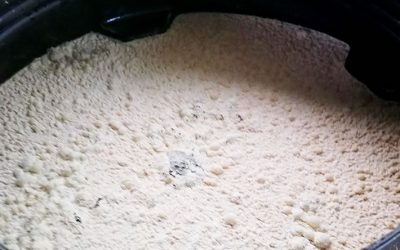
5 Key Benefits of Using Cold Fermentation To Make Biological Fertilisers (And Why Training Matters)
Fermentation is a process that has been utilised for centuries in various industries, including the production of biological fertilisers....
Beyond Synthetic Fertilisers: How To Restore Soil Health Naturally
Rethinking Soil Fertility: The True Meaning of Fertiliser
Adjusting Soil pH On Australian Farms (And Why Microbes Matter)
Tough Feed Season? Here’s How a Liquid Seaweed Probiotic Supplement Can Help
With hay, grain, and pellet prices rising — and paddock feed either scarce or low in nutrients — many Australian farmers are looking for ways to make limited feed go further without compromising livestock health.
4 Good Reasons To Feed Soil Microbes All Year Round
Soil microbes play a vital role in driving crop performance, enhancing nutrient availability, and supporting long-term soil health. Even when conditions aren’t perfect, these microscopic organisms quietly influence the soil’s ecosystem.
Seaweed Biofertiliser Uses In Regenerative Farming Systems, Australia
Discover how Australian regenerative farmers are using seaweed biofertiliser as a seed inoculant, foliar spray, and soil drench to feed soil microbes, boost crop resilience, and build healthier, more productive systems—naturally.
Soil Microbes: Nature’s Solution to Cutting Costs on Aussie Farms
Agroforestry: Getting the Balance Right on Your Australian Farm
With the right management and a balanced approach, agroforestry can give your farm long-term benefits, reducing operational costs while contributing to a more sustainable farming future.
How Water Quality Can Limit Fertiliser Efficiency on Australian Farms
Tailoring Organic Fertilisers for Different Soil Types in Australia
Decoding Your Cattle’s Manure to Optimise Animal Gut Health
Probiotic Liquid Kelp: A Trusted Choice for Aussie Livestock Farmers
How to Boost Silage Quality to Maximise Nutrition for Ruminants
Iodine Deficiency in Livestock: Symptoms and Effective Natural Remedies
Top 10 Strategies for Efficient Water Management on Australian Farms
Top 7 Time-Tested Organic Fertilisers for Any Australian Farm
Biological Seed Treatment: Benefits and Methods
Biological seed treatment is a 100% natural approach that involves the application of active ingredients such as beneficial fungi and bacteria.
The 7 Most Cost-Effective Soil Regeneration Strategies, Australia
Subscribe
Get a copy of our seasonal newsletter, hot off the press, sent direct to your inbox with real stories, proven practices, and natural farming solutions transforming Aussie farms today.
GET THE DIRT ON NATURAL FARMING
Welcome to our natural farming community! We'll keep you updated on the latest in regenerative agriculture in Australia with our quarterly newsletters delivered directly to your inbox.

We don’t share your information with anyone.
Read our Privacy Policy
