
Regenerative Cattle Farming in Australia
Regeneratively farming beef and dairy cattle is all about improving soil and animal health. Using Liquid Fish and Seaweed Biological Fertilisers, along with Liquid Seaweed Supplements, helps accellerate soil microbes, improve nutrient uptake, and strengthen livestock immunity—giving you healthier animals, better pastures, and a more resilient farm for the long-term. Here are some benefits and methods for using Biological Solutions on your Aussie farm.
Diverse Pastures: A Foundation for Thriving Soil Biology
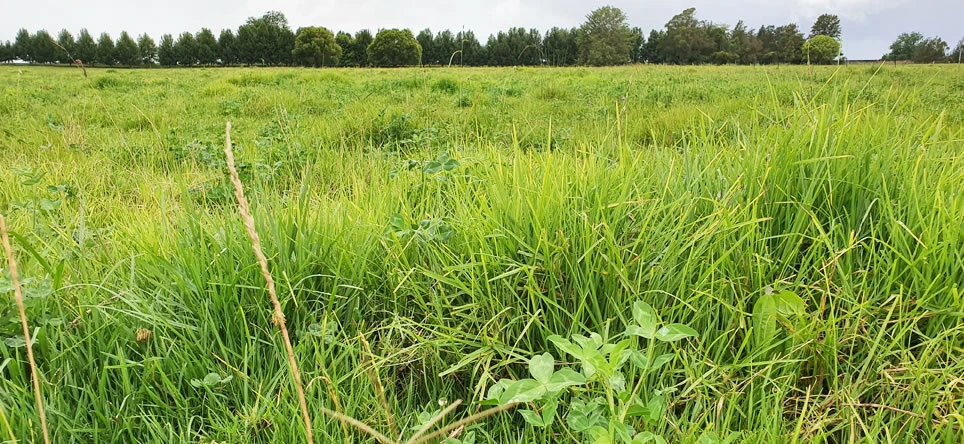
Healthy soil is the backbone of any successful cattle farming system. One of the key ways to build robust soil biology is by encouraging a diversity of grasses in your pastures. This diversity fuels the soil food web and supports a flourishing microbial community.
The secret lies in photosynthesis. Different grass species have varying photosynthetic pathways, allowing them to capture and convert sunlight into sugars in unique ways. These sugars are then exuded from the grass roots and feed the soil microbes.
The more diverse the pasture, the greater the variety of sugars available to soil bacteria, fungi, and other microorganisms
This nourishes a thriving, balanced soil food web that can cycle nutrients, improve soil structure, and make nutrients available to plants.
Incorporating a mix of cool-season and warm-season grasses, as well as broadleaf plants, is an excellent way to maximise the photosynthetic potential of your pastures.
Nutrient Dense Pastures On The Menu
By encouraging a diverse array of grasses, cattle farmers can create the ideal conditions for a thriving soil microbiome.
The underground ecosystem of bacteria, fungi, and other organisms plays a vital role in nutrient cycling, water retention, and overall soil health
One effective way to enhance pasture diversity is through the strategic application of liquid Biological Fertilisers. These natural, soil amendments introduce a concentrated dose of beneficial microbes that can colonise the soil and support the growth of a wide range of grasses.
As the pasture grasses thrive, they contribute organic matter and exudates that feed the soil food web. This, in turn, improves the availability of essential nutrients for the grazing animals, leading to more nutrient-dense forage and better overall herd health.
Implementing a diverse pasture system supported by Liquid Biological Fertilisers is a key strategy in todays cattle farming systems. By nurturing the soils natural processes, farmers can create a self-sustaining ecosystem that benefits both the land and the animals that call it home.
Liquid Biological Fertiliser Benefits
The use of liquid biological fertilisers, such as Liquid Fish Hydrolysate and Liquid Seaweed Biological Fertiliser, in cattle farming offers several advantages;
1. Biological Fertilisers promote soil health by increasing organic matter content and improving soil structure. This leads to better water retention capacity and reduces erosion risks.
2. Biological Fertilisers contribute to the overall biodiversity on farms by supporting a diverse range of beneficial microorganisms in the soil ecosystem.
Furthermore, using Biological Fertilisers can enhance nutrient cycling within the farm system. The nutrients released from these liquid fertilisers are slowly released over time through microbial activity, ensuring a steady supply for plant growth without excessive leaching or runoff into water bodies.
Pasture Cropping Method
Pasture Cropping was first developed by NSW Australian sheep farmer Colin Seis. The primary principal of pasture cropping is to have 100% ground cover, 100% of the time, to ensure photosynthesis and biological activity in the soil.
Pasture cropping plants cereal crops like oats and barley into perennial pasture rather than rotated fields. And, it does not require the killing off of cover crops or tilling, but instead the perennial pasture becomes the cover crop.
Read Article – ‘Top 2 Cost Effective Crop and Pasture Cropping Tips’
Biological Soil Care
SONIC naturally cold fermented Biological Fertiliser delivers balanced organic minerals. Activated with beneficial microbes, these chelated ocean mineral concentrates stimulate beneficial microorganisms in the soil for long-term pasture improvement. Increased biological activity supports crop growth, nutrient density and overall plant resilience.
Biological Fertilisers are Safe for Grazing Animals – No Witholding Period Required


Make Your Own Liquid Seaweed Probiotic Livestock Supplement for Less Than $1.20 Litre

Liquid Kelp Minerals for Cattle
SONIC Liquid Seaweed Livestock Supplement combines organic kelp activated with natural probiotics to deliver a full range of bio-available minerals and trace elements. This Liquid Kelp Supplement supports digestion and nutrient absorption, which can ultimately improve feed conversions, promoting healthy cattle with strong metabolism and overall condition.
Liquid Seaweed Mineral Content
Kelp is rich in a variety of essential minerals, many of which are often lacking in conventional livestock diets. These minerals support bone health, metabolism, and overall body function:
- Calcium: Important for bone health and milk production.
- Magnesium: Supports muscle function and nerve health.
- Phosphorus: Vital for bone growth and energy metabolism.
- Potassium: Helps maintain electrolyte balance and proper muscle function.
- Iodine: Found in kelp in significant quantities, iodine supports proper thyroid function, which influences metabolism and growth rates.
- Iron: Essential for the production of hemoglobin and maintaining healthy red blood cells.
- Zinc: Supports immune function, skin health, and reproduction.
- Copper: Important for red blood cell formation and immune system support.
- Sodium: Helps in fluid balance and nerve function.
Vitamins
Kelp contains several important vitamins that promote general health:
- Vitamin A: Supports immune function, skin health, and vision.
- Vitamin D: Aids in calcium absorption and bone health.
- Vitamin C: Acts as an antioxidant and supports the immune system.
- Vitamin K: Important for blood clotting and bone health.
- B Vitamins (B1, B2, B3, B6, B12): Help with energy production, cell growth, and metabolic processes.
Amino Acids
Kelp contains essential amino acids that support protein synthesis, growth, and muscle health. Amino acids play a key role in building muscle tissue, repairing cells, and supporting metabolic processes.
Enzymes
Kelp contains natural enzymes that aid in digestion, which can help cattle better absorb nutrients from their feed. These enzymes can improve gut health and digestion, leading to better nutrient absorption.
Antioxidants
Kelp contains various antioxidants, such as flavonoids, polyphenols, and carotenoids (including beta-carotene), which help reduce oxidative stress and inflammation in cattle. This supports overall health and can enhance the immune system.
Alginate
Kelp contains alginate, a natural substance that can act as a prebiotic and promote healthy gut bacteria, enhancing digestion and overall gut health.
Sulfur
Kelp contains organic sulfur, which is important for maintaining healthy skin, joints, and connective tissues in cattle. Sulfur is also involved in the synthesis of proteins and enzymes in the body.
Probiotic Minerals for Calves
Natural Liquid Probiotic Seaweed can be administered to calves from as early as day one, and has been shown to promote optimal maturation of the rumen microbiota, as well as increasing digestion safety at weaning, and reducing the risk of pathogen colonisation.
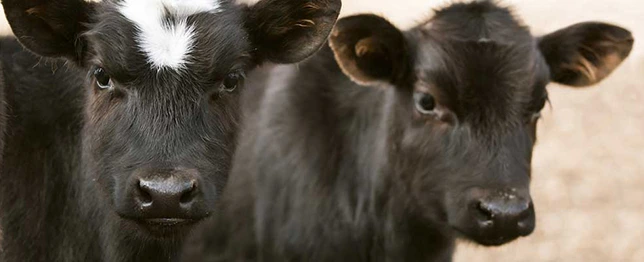
“In young pre-ruminants, bacterial probiotics such as lactic acid bacteria (Lactobacillus spp., Bifidobacterium spp., Enterococcus spp., Propionibacterium spp.) or Bacillusspores generally target the small intestine, as the rumen is not yet developed, and they represent an interesting means to stabilise the gut microbiota and limit the risk of pathogen colonisation. However, live yeast distributed from the first days after birth have been reported to favour microbial colonisation and the set-up of fermentative capacities in the rumen.”
Author – ‘Beneficial Microbes’ by Chaucheyras-Durand and Fonty, 2002. Download Article.
How to Use Probiotic Liquid Seaweed for Cattle
Use regularly or at times of the year when feed quality is poor, or when there are higher demands on the animal.
SONIC Liquid Seaweed can be added to feed or water, or administered undiluted as a drench.
Probiotic Liquid Seaweed can also be used as an inoculant on hay, sprayed over pastures, or used through an automatic dispensing system that applies the liquid directly into bails.


Planet Friendly
BIOLOGICAL NUTRITION
for SOIL, CROPS
& LIVESTOCK

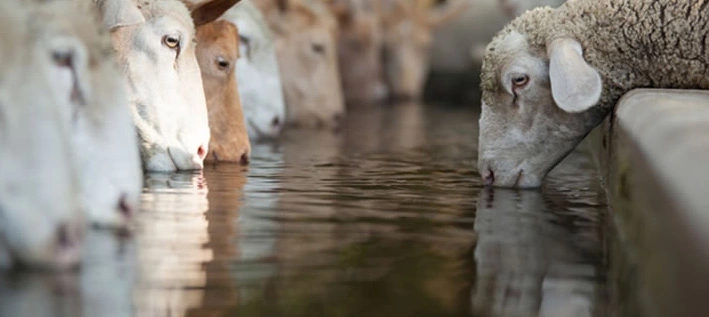
See what Farmers are saying about using Liquid Seaweed Supplements for Sheep